


Cell stress diagnostics
Cell stress profile – oxidative & nitrosative stress (8-OHdG, urine)
Oxidative and nitrosative stress in urine: 8-OHdG, 4-hydroxynitrophenylacetic acid, methylmalonic acid and citrulline, relative to creatinine – all from one morning urine sample.
No prescription needed. Ships the next working day.
| Sample type | Morgenurin |
|---|---|
| Method | Analysis at partner laboratory |
| Turnaround | 7–21 days from sample arrival |
| Analysis | Partner laboratory in Germany |
 Oxidative and nitrosative
8-OHdG plus three values on nitrosative stress
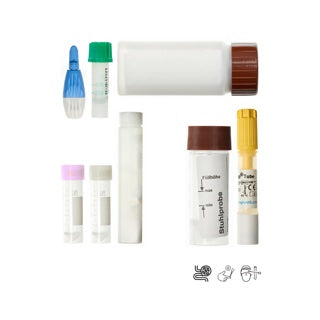 8-OHdG in urine
Marker of oxidative changes to DNA
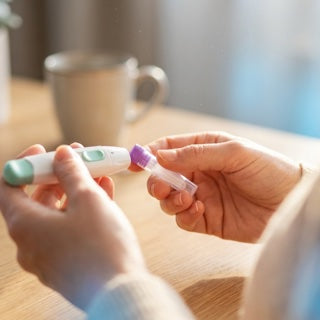 Sample collection at home
Morning urine, done in about five minutes
 Results consultation included
Evaluation by the ORY expert team
The principle
Measure first, then decide
Without measured values, any treatment is guesswork. We turn that around: the lab report first, the decision after.

-
01
Measure Five cell stress markers from morning urine, analysed at our partner laboratory in Germany.Nitrosative Stress – Cell Stress Profile · morning urine · 7–21 days from sample arrival
-
02
See where you stand Every value appears in the lab report alongside the laboratory's reference range. You can see which values fall inside it and which do not.Lab report including a consultation
-
03
Targeted, not generic Instead of a standard package, you take what your values point to — agreed with the ORY expert team or with your doctor or naturopath.Initial consultation, 10 minutes, free of charge
-
04
Measure again after a few months Running the same analysis a second time shows how the values have changed.Earliest sensible interval: 3 months


Ory experts are there for you
Doctors and non-medical practitioners (Heilpraktiker) from the Ory team are with you all the way — for the lab report and everything after.
What a value means and whether a supplement might be an option for you is something to discuss with the ORY expert team or with your doctor or naturopath. This page makes no recommendation and is no substitute for medical assessment.
Details
What this analysis covers
What is measured
Four values on oxidative and nitrosative stress plus creatinine as a reference – all from one morning urine sample.
The biomarker reference explains what lies behind the numbers: how values interact, which cofactors are involved and which biochemical processes take place in the body — for all values and areas, not only this analysis.
To the biomarker referenceThe values in detail
Elevated 8-OHdG in urine – what does it mean?
8-OHdG (8-hydroxy-2'-deoxyguanosine, also 8-oxodG) forms when reactive oxygen species oxidise the DNA building block guanine. The cell repairs such damage, and the excised 8-OHdG is excreted in urine. It is therefore considered the most frequently measured marker of oxidative changes to DNA (PubMed 32466448, PubMed 19966135). More on the 8-OHdG page.
An elevated value shows that more oxidised DNA building blocks were excreted at the time of the sample. In studies, the value was higher in smokers than in non-smokers (PubMed 32466448); people with cardiovascular disease and type 2 diabetes had higher values on average (PubMed 26650622, PubMed 21820047). For an individual, the value is not a sign of disease and not a prediction.
Important for interpretation: according to the sample report, the laboratory measures 8-OHdG with an ELISA method. In comparison studies, ELISA tests usually measure higher values than chromatographic methods and vary more between laboratories (PubMed 23198723). Only values from the same laboratory and method are therefore comparable.
Elevated 4-hydroxynitrophenylacetic acid – what does it mean?
4-hydroxynitrophenylacetic acid (also 3-nitro-4-hydroxyphenylacetic acid) forms when reactive nitrogen compounds such as peroxynitrite attach a nitro group to tyrosine structures. It is a breakdown product of free nitrotyrosine and is excreted in urine. An elevated value therefore shows that more nitration is taking place in the body.
However, the acid can also form through nitration of 4-hydroxyphenylacetic acid, a breakdown product of the amino acid tyrosine that gut bacteria also produce. The value therefore does not depend on nitrotyrosine alone and is considered together with the other values. Sources: PubMed 12797864, PubMed 25825822. More on the 4-hydroxynitrophenylacetic acid page.
Elevated methylmalonic acid in urine – what does it mean?
Methylmalonic acid is broken down in the mitochondria by an enzyme that requires vitamin B12. If the cells lack effective B12, it accumulates and more of it is excreted in urine. An elevated value is therefore a well-studied indication of vitamin B12 deficiency at the cellular level, even when the B12 level in the blood still looks normal.
Elevated values also occur with reduced kidney function and with rare inherited metabolic disorders. Sources: PubMed 32707915, PubMed 12002408. More on the methylmalonic acid page.
Vitamin B12 deficiency can show up in the following ways, among others (PubMed 23301732):
- Tiredness and reduced performance
- Anaemia with pallor and shortness of breath on exertion
- Tingling, numbness or burning in the hands and feet
- Unsteady gait
- Problems with concentration and memory, mood changes
- Burning tongue or a smooth, reddened tongue
Because nerve damage from B12 deficiency can be permanent, such complaints should be checked by a doctor promptly.
Elevated citrulline in urine – what does it mean?
Citrulline forms, among other things, when the body produces nitric oxide (NO) from arginine. Environmental medicine therefore uses the ratio of citrulline to creatinine in urine as an indication of increased NO production. How meaningful the value is for this has not been conclusively studied.
Citrulline also has other sources: it is produced mainly in the lining of the small intestine, forms in the urea cycle and occurs in foods such as watermelon and in citrulline or arginine supplements. More on the citrulline page.
Which complaints research associates with nitrosative stress is described under "Which complaints and symptoms are oxidative and nitrosative stress associated with?".
Why are all values expressed relative to creatinine?
Urine is diluted to different degrees depending on how much you drink. Creatinine is excreted fairly evenly and therefore serves as a reference: all values are given per gram of creatinine so that diluted and concentrated samples become comparable (PubMed 19966135). More on the creatinine page.
If the urine is very diluted or very concentrated, this conversion can reach its limits too; that is why the report states the creatinine value with its own reference range.
Understanding oxidative and nitrosative stress
What is cell stress (oxidative stress) – explained simply?
Metabolism constantly produces reactive oxygen species, colloquially "free radicals". In small amounts they are normal and even serve as signalling molecules; the body's own protective systems (antioxidants) neutralise them. Oxidative stress refers to a state in which oxidising processes overwhelm these protective systems (PubMed 33659931). Proteins, fats and DNA can then be altered.
"Cell stress" is not a medical term but a collective name for oxidative and nitrosative stress at cell level. The cell stress profile measures one marker of oxidative changes to DNA (8-OHdG) and values related to nitrosative stress.
What is nitrosative stress?
The body makes the messenger nitric oxide (NO) from the amino acid arginine. NO is needed, for example, for the width of blood vessels and for the immune system. When NO meets oxygen radicals (superoxide), peroxynitrite forms – a highly reactive nitrogen compound.
Nitrosative stress describes reactive nitrogen compounds like this chemically altering proteins, fats or DNA. A well-known example is the formation of nitrotyrosine. The term is closely related to oxidative stress, which comes from reactive oxygen compounds.
How does oxidative stress arise – what are the causes?
Well-studied influences include smoking, with which urinary 8-OHdG was higher in studies (PubMed 32466448), and inflammation, in which immune cells deliberately produce reactive oxygen and nitrogen species (PubMed 18395525). Higher 8-OHdG values on average have been observed in metabolic diseases such as type 2 diabetes and in cardiovascular disease (PubMed 21820047, PubMed 26650622). Environmental exposures, alcohol, intense physical exertion and lack of sleep are also discussed.
What role such factors play in an individual cannot be read from laboratory values alone.
Can oxidative stress be measured – in blood or urine?
Not directly: reactive oxygen and nitrogen species are extremely short-lived. What is measured instead are their traces – substances formed when DNA, proteins or fats are oxidised. Urinary 8-OHdG is one of the best-studied markers for this; no blood draw is needed, and in studies values from spot or first-morning urine correlate well with 24-hour excretion (PubMed 23198723).
A single measurement is a snapshot. The value also varies from day to day in the same person (PubMed 23198723), and there is no overall value for "oxidative stress in the body". Blood values such as antioxidant capacity measure something different and are not directly comparable with these urine values.
What does nitrosative stress have to do with mitochondria and vitamin B12?
Mitochondria are where cells generate energy (ATP) from nutrients. Biochemical studies have described that reactive nitrogen compounds can impair mitochondrial enzymes.
Methylmalonic acid is broken down in the mitochondria by an enzyme that needs vitamin B12 as a helper. That is why laboratory medicine also uses methylmalonic acid as a marker of vitamin B12 status. An elevated value can therefore have various reasons; interpreting it belongs in the results consultation.
Is cell stress measured in conventional medicine?
Oxidative and nitrosative stress are not distinct conditions in medical guidelines, and measuring them is not part of routine diagnostics at a GP practice. 8-OHdG is used mainly in research, occupational and environmental medicine and preventive medicine. Methylmalonic acid, by contrast, is an established laboratory value for investigating vitamin B12 deficiency, usually measured in blood.
Laboratories do not assess the urine values uniformly. Your report therefore always states the reference range of the laboratory that carried out the analysis.
Complaints and medical assessment
Which complaints and symptoms are oxidative and nitrosative stress associated with?
Oxidative and nitrosative stress are not conditions in their own right but biochemical states. Research associates them with the following complaints and conditions, with varying strength of evidence:
- Cardiovascular disease: in a meta-analysis, higher 8-OHdG values in patients than in healthy people; whether the value predicts disease has not been shown (PubMed 26650622).
- Type 2 diabetes and its complications: oxidative stress is being studied as a contributor to complications; elevated 8-OHdG values observed in studies (PubMed 21820047).
- Migraine: nitric oxide triggers migraine attacks in the research model; elevated markers of nitrosative stress in smaller studies (PubMed 38902612, PubMed 17202769).
- Persistent exhaustion and ME/CFS: discussed as a possible contributing cause, so far mainly in hypotheses and reviews (PubMed 19127706).
- Chronic inflammation: immune cells produce more reactive compounds there; the alteration of proteins is well described (PubMed 18395525).
- Problems concentrating, sleep problems and reduced resilience: frequently mentioned in environmental medicine practice but hardly studied scientifically.
For elevated methylmalonic acid there is also a well-documented link with vitamin B12 deficiency and its complaints, see "Elevated methylmalonic acid in urine".
These are associations from studies, not causes in an individual. A urine test cannot explain complaints and does not provide a diagnosis. Persistent complaints should first be checked by a doctor.
What does nitric oxide have to do with migraine?
Nitric oxide (NO) is a well-studied messenger in migraine research. Glyceryl trinitrate, a substance that releases NO in the body, triggers an attack after a few hours in many people with migraine; this is an established research model. Smaller studies have also observed elevated markers of nitrosative stress in people with migraine. Sources: PubMed 37569369, PubMed 38902612, PubMed 17202769.
Whether the urine values from this test say anything about an individual person's migraine has not been studied. Headaches that are new, change or come with paralysis, speech or vision problems need to be checked by a doctor immediately.
When should I see a doctor first?
If exhaustion is new, increases quickly or comes with fever, night sweats, unintended weight loss, shortness of breath, chest pain or persistent low mood, the first step is a doctor's practice, not a self-test. Common causes such as anaemia, thyroid or metabolic disorders can be checked there with simple examinations.
If you are thinking about harming yourself, get help immediately – in Germany, for example, from TelefonSeelsorge on 0800 111 0 111 (free, 24/7) or emergency number 112.
Can oxidative stress be reduced – do antioxidants help?
This page does not give treatment recommendations. Whether a result means anything at all and which steps make sense depends on your overall situation: complaints, previous findings, medication and circumstances.
For context: a large Cochrane review found no evidence that antioxidant supplements prevent disease or premature death; in the studies, beta-carotene and vitamin E even increased mortality (PubMed 22419320).
What makes sense for you belongs in a conversation with the ORY expert team or with your doctor or naturopath, for example from the ORY expert network. The results consultation is included in the price.
Who it is for, process and costs
Who it's for
The cell stress profile is for anyone who wants markers of oxidative and nitrosative stress measured in urine, for example in addition to an environmental or preventive medicine assessment. Whether the test suits you can be clarified in the free initial consultation with the ORY expert team or with your doctor or naturopath, for example from the ORY expert network.
What a single value means in your situation is something to discuss with the ORY expert team or with your doctor or naturopath, for example from the ORY expert network. It does not replace medical assessment.
What do I need to consider before the urine test?
According to the instructions, you use the first morning urine straight after waking up, before breakfast, coffee, brushing your teeth and smoking; do not eat or drink anything until then. Let the first short stream go into the toilet, then fill the midstream urine into the three tubes. It is best to fill in the request form the evening before.
The sample is stable at room temperature for at most 24 hours: send it the same morning and only from Monday to Thursday. Only pause prescribed medication after talking to your doctor, and if you take vitamin B12 or other supplements, note this on the request form.
How it works
Four steps from order to lab report.
- 01 Kit arrives Sent the next working day, postage paid, to your door.
- 02 Collect urine Morning urine, fill three monovettes.
- 03 Send it in Post it in the postage-paid envelope.
- 04 Receive your lab report 7–21 days after the sample arrives.
Instructions
The main points first:
- Use the first urine of the morning and fill three monovettes.
- Close and label the sample tubes tightly.
- Post in the postage-paid envelope, as soon as possible after collection.
Please read the instructions carefully. Correct preparation matters: it is what allows your sample – stool, urine, saliva or blood – to be evaluated cleanly and meaningfully.
View full illustrated instructions
Sample report
This is what your result looks like: the full lab report with all five cell stress parameters — shown as an image, no download needed.
View sample report
How long until I get the result?
Analysis usually takes 7–21 days from the arrival of the sample at the laboratory. As soon as your report is ready, we let you know. The report states each value with its unit and the laboratory's reference range. A results consultation with the ORY expert team is included in the price.
What does the cell stress profile cost, and does health insurance pay?
The cell stress profile costs €165 including VAT, shipping, return postage and results consultation.
Statutory health insurance in Germany generally does not cover tests you order yourself. With private insurance, reimbursement may be possible; how it works is described under "Reimbursement by private insurance".
Reimbursement by private insurance
This is how a possible reimbursement by your private insurance works with us:
Many private insurers cover the cost in full or in part – some, however, not at all. That depends entirely on your policy. We will support you through the process as best we can.
Sending your sample back
So that your sample reaches the laboratory safely, please follow the rule for your country.
| Country | Postage | Shipping |
|---|---|---|
| Germany | Already paid | Return postage is prepared, you do not need to add a stamp. |
| Austria | Pay postage yourself | To our address in Vienna, not to Germany. |
| Switzerland | Pay postage yourself | Separate return bag for Switzerland, sent to Germany. |
| Rest of Europe | Pay postage yourself | Sent to Germany. |
In short: Germany, nothing to do. Austria, add postage and send to Vienna. Switzerland, add postage, use the special bag, send to Germany. Rest of Europe, add postage and send to Germany.
Testing for families and couples
Testing together reveals connections that a single analysis cannot show. We need three things for it.
From three tests of the same analysis for one family you get 10 % off. Write to us and we will send you your own discount code.
Send an email
Cell stress profile, nitrostress test or 8-OHdG – which test suits me?
The cell stress profile (€165) combines 8-OHdG with the nitrosative stress values. The nitrostress test (€100) measures only 4-hydroxynitrophenylacetic acid, methylmalonic acid and citrulline, and the single analysis 8-hydroxydeoxyguanosine (€60) only 8-OHdG. If you want a broader look at intermediates of energy metabolism, the organic acids analysis (€205) covers 22 values from urine.
Which scope makes sense for you can be clarified in the free initial consultation.
Also relevant
Similar analyses
More in-depth or with a different focus.


Which analysis suits you is best discussed in the initial consultation. View all analyses
Supplements
Supplements for the areas in this analysis
Which supplement is right for you, and at what dose, is something you discuss with the ORY expert team or with your doctor or naturopath after the lab report. This page recommends nothing.


Food supplements are not a substitute for a balanced diet. The full range: Supplements
Orientation
What happens next
Five routes, independent of this analysis. The same on every product page.
ORY Berlin sells analyses and products. What a lab report means for you is something a non-medical practitioner or a doctor tells you, not this page.