


Diagnostic package · 5 analyses
Health & longevity check-up – 5 laboratory tests at home
Five laboratory tests in one package: Prevent 360 (capillary blood), hormone profile (saliva), epigenetics metabolism (blood spot), tryptophan metabolism (urine) and Microbiome Maxi Plus with gut barrier (stool) – samples at home.
No prescription needed. Ships the next working day.
| Sample type | Capillary blood + saliva + bloodspot + urine + stool |
|---|---|
| Method | LC-MS, GC-MS, ELISA, PCR |
| Turnaround | 7–21 days from sample arrival |
| Analysis | Partner laboratory in Germany |
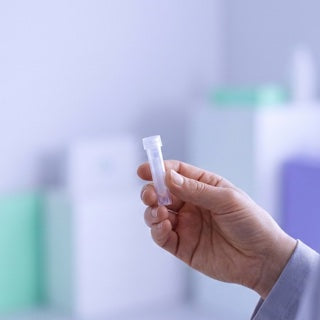 Five tests, one package
Prevent 360, hormone profile, epigenetics metabolism, tryptophan metabolism and Microbiome Maxi Plus
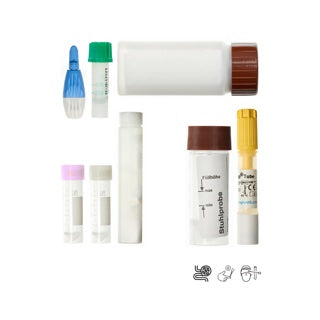 More than 100 laboratory values
From amino acids and fatty acids to gut bacteria
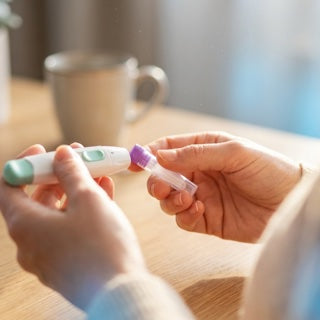 Sample collection at home
Five samples, each on a day of your choice
 Results consultation included
Evaluation by the ORY expert team
Principle
Measure first, then decide
Without measured values, any treatment is guesswork. We turn the order around: first the lab report, then the decision.

-
01
Measure Five combined analyses from different sample types, analysed at the partner laboratory in Germany.Gesundheits- & Longevity-Check-up · capillary blood + saliva + bloodspot + urine + stool · 7–21 days from sample arrival
-
02
See where you stand Every value appears in the lab report with the laboratory's reference range. You can see which values fall inside it and which do not.Lab report including a results consultation
-
03
Targeted instead of general Instead of a standard package you take what your values point to — agreed with the ORY expert team or with your doctor or naturopath.Initial consultation 10 minutes, free
-
04
Measure again after a few months The same analysis a second time shows how the values have changed.Earliest sensible interval: 3 months


Ory experts are there for you
All along the way, doctors and Heilpraktiker from the Ory team are there for you — with your lab report and everything after it.
What a value means and whether a supplement might be an option for you is something to discuss with the ORY expert team or with your doctor or naturopath. This page makes no recommendation and is no substitute for medical assessment.
Details
What this analysis covers
What is measured
Five tests from five sample types: metabolism, hormones, epigenetics, tryptophan metabolism and gut.
The biomarker reference explains what lies behind the numbers: how values interact, which cofactors are involved and which biochemical processes take place in the body — for all values and areas, not only this analysis.
To the biomarker referenceThe five tests in detail
Prevent 360 – what do 75 values from capillary blood show?
The Prevent 360 measures 75 values from a few drops of capillary blood, including amino acids, fatty acids such as omega-3, bile acids, micronutrients and markers of nitric oxide production. The blood is collected with Mitra® sticks, which absorb a precisely defined volume and are sent dried.
Such microsamples are considered a practical alternative to venous blood draws; however, each measurement method has to be validated specifically, and the values are not automatically comparable with venous blood values from a doctor's practice (PubMed 36917733). The report therefore states the laboratory's reference ranges.
Saliva hormone profile – what do cortisol, DHEA, progesterone, testosterone and oestradiol show?
The hormone profile for women or men measures cortisol, DHEA, progesterone, testosterone and oestradiol in saliva. Saliva contains the free fraction of the hormones that is not bound to proteins.
Saliva is a recognised sample type for cortisol; however, a review points out that uniformly validated reference ranges and standardised methods are lacking (PubMed 28068807). Hormone values vary with time of day and cycle, which is why fixed collection times apply. The values are a snapshot and do not replace medical hormone diagnostics.
Epigenetics metabolism – what do miRNA and methylation markers show?
The epigenetics metabolism & health analysis measures six epigenetic markers from a dried blood spot: LINE-1 methylation as a measure of DNA stability, microRNA markers related to fat metabolism, and markers for the inflammatory messengers TNF-α and IL-6. Epigenetics describes chemical tags that control which genes are read without changing the genes themselves.
Such markers are studied intensively in ageing research. However, an international expert panel found only limited consensus on which ageing markers are suitable and so far recommends them mainly as outcome measures in studies (PubMed 39708300). For an individual, the values are therefore research markers, not a diagnosis and not a prediction.
Tryptophan metabolism and messengers in urine – what is measured?
The Tryptophan Metabolism Test Plus measures values of the kynurenine pathway in second morning urine – the pathway through which most of the amino acid tryptophan is broken down (PubMed 33804088) – plus serotonin and catecholamines such as dopamine, adrenaline and noradrenaline.
These values come mainly from the body outside the brain. Whether messengers in urine say anything about mood, stress or drive has not been shown. They also depend on diet, which is why the instructions set dietary rules before the sample.
Microbiome Maxi Plus with gut barrier and absorption – what does the stool test show?
Microbiome Maxi Plus + gut barrier + absorption analyses the gut flora by molecular genetics, with key bacteria, butyrate producers, Akkermansia, Lactobacillus, yeasts and parasites, plus zonulin, IgA and calprotectin for the intestinal lining and markers of nutrient absorption.
The gut flora changes over the course of life; in a systematic review, Akkermansia was most consistently increased in older people and Faecalibacterium reduced. Because the studies only compare snapshots, it is unclear what is cause and what is consequence of ageing (PubMed 33297486). Zonulin is a disputed marker because a widely used assay also detects related proteins (PubMed 29459849).
Understanding longevity and healthy ageing
What does longevity mean – explained simply?
"Longevity" today mainly means healthy years of life: staying physically and mentally fit for as long as possible. Ageing research describes twelve biological hallmarks of ageing, including changes to DNA and epigenetic tags, declining mitochondrial function, chronic inflammation and changes in the gut flora (PubMed 36599349). More on the longevity page.
The health & longevity check-up addresses some of these areas with laboratory measurements. It measures values, not ageing itself, and cannot say how long someone will live in good health.
Can biological age be measured?
There are many approaches, such as epigenetic clocks based on methylation patterns, inflammation values or functional tests such as grip strength and walking speed. An international expert panel agreed on 14 possible ageing markers but found that it is still open which combination is most meaningful, and recommends them for studies for now (PubMed 39708300).
This package does not calculate a "biological age". It provides individual values from five areas, which are interpreted together in the results consultation.
How is this different from a check-up at the GP?
In Germany, people with statutory health insurance are entitled to a health examination ("check-up") once from age 18 and every three years from age 35, with a consultation, physical examination and basic values such as blood sugar and blood lipids, plus the cancer screening examinations. These target common, treatable conditions and are grounded in studies and guidelines.
The health & longevity check-up measures different values from metabolism, hormones, epigenetics, messengers and the gut. It replaces neither the GP check-up nor screening such as bowel cancer screening.
More than 100 values – won't some always be abnormal?
Yes, that is to be expected. Reference ranges are usually set so that about 95 out of 100 healthy people fall within them; each individual value is therefore outside the range with about 5% probability even in healthy people. With 20 independent values, the chance that at least one is abnormal is already more than 60%, and with over 100 values it is almost certain.
A single value outside the range is therefore not a sign of disease. What matters is whether values fit with each other, with complaints and with previous findings; that is the purpose of the results consultation.
Complaints and medical assessment
Which complaints are the areas examined associated with?
Research associates the five areas of the package with the following complaints and conditions, with varying strength of evidence:
- Persistently elevated cortisol: characteristic of the rare Cushing's syndrome; diagnosis uses defined tests, including late-night salivary cortisol (PubMed 18334580). A single morning value is not enough for this.
- Irritable bowel syndrome with abdominal pain, bloating, diarrhoea or constipation: altered gut flora in studies, such as fewer Bifidobacterium (PubMed 30940523), and a more permeable gut wall in some patients (PubMed 31076401).
- Age-related diseases: chronic inflammation and changes in mitochondria and gut flora are studied as hallmarks of ageing (PubMed 36599349).
- Mood, drive and sleep: often linked to serotonin and dopamine; that urine values reflect these links has not been shown.
- Weight and fat metabolism: epigenetic markers are being researched for this; their significance for an individual has hardly been studied so far (PubMed 39708300).
These are associations from studies, not causes in an individual. The tests cannot explain complaints and do not provide a diagnosis. Persistent complaints should first be checked by a doctor.
When should I see a doctor first?
With blood in the stool or black stool, unintended weight loss, fever, night sweats, persistent or new abdominal pain, shortness of breath, chest pain, new severe exhaustion or persistent low mood, the first step is a doctor's practice, not a self-test. The same applies to cycle disorders, bleeding after the menopause or changes in the breast or testicles. A laboratory package does not replace cancer screening.
If you are thinking about harming yourself, get help immediately – in Germany, for example, from TelefonSeelsorge on 0800 111 0 111 (free, 24/7) or emergency number 112.
Can ageing be slowed with laboratory values?
This page does not give treatment recommendations. That measures chosen on the basis of such laboratory values slow ageing or extend life expectancy has not been shown; suitable ageing markers are only now being defined for studies (PubMed 39708300). Whether a result means anything at all and which steps make sense depends on your overall situation.
What makes sense for you belongs in a conversation with the ORY expert team or with your doctor or naturopath, for example from the ORY expert network. The results consultation is included in the price.
Who it is for, process and costs
For whom
The package is for adults who want metabolism, hormones, epigenetics, tryptophan metabolism and gut examined in one go instead of ordering single tests. Whether this scope suits you can be clarified in the free initial consultation with the ORY expert team or with your doctor or naturopath, for example from the ORY expert network.
What a single value means in your situation is something to discuss with the ORY expert team or with your doctor or naturopath, for example from the ORY expert network. It does not replace medical assessment.
What do I need to consider before the five samples?
The five samples are taken separately, on different days and in any order; each has its own instructions and shipping bag. According to the instructions:
- Prevent 360 (capillary blood): fasting in the morning, at least 8 hours after the last meal, water allowed up to one hour before; let the sticks dry for 8–24 hours.
- Hormone profile (saliva): fasting in the morning before brushing your teeth, two samples 30 minutes apart; no alcohol, nicotine or chocolate the day before. Women in the second half of the cycle (around day 22 ± 2). Note hormone-containing medication.
- Epigenetics (blood spot): no fasting needed; let the card dry for 45–60 minutes.
- Tryptophan metabolism (urine): no fish or seafood for two days beforehand, the evening before no bananas, nuts, cheese, coffee, tea, cocoa or alcohol, among other things; second morning urine, fasting, no early-morning exercise, not during menstruation.
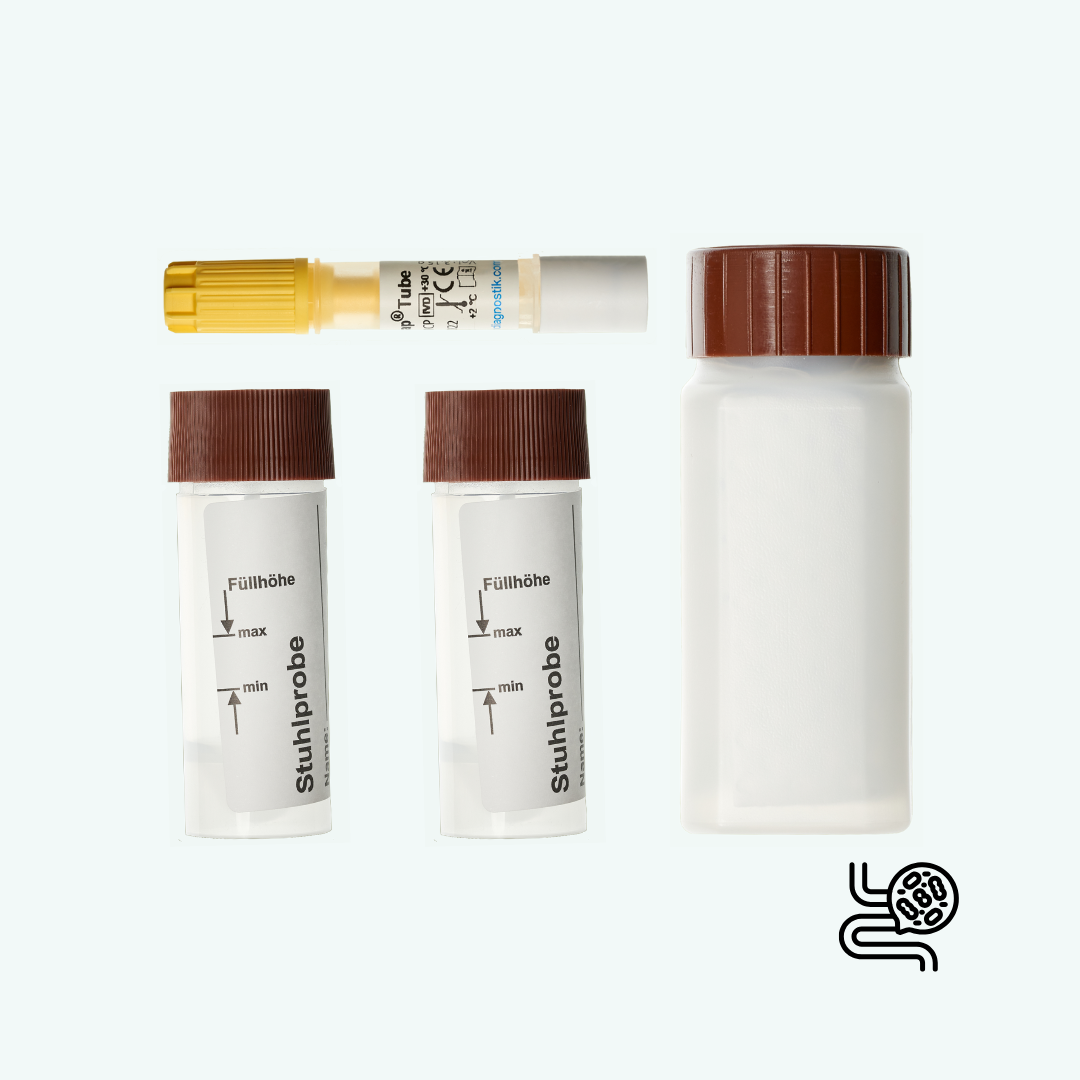
- Microbiome (stool): no antibiotics for 4 weeks and no probiotics for 1–2 weeks beforehand; no contact with toilet water, not during menstruation; keep refrigerated until shipping.
Send all samples only from Monday to Thursday, not before public holidays. Only pause prescribed medication after talking to your doctor.
How it works
Four steps from order to lab report.
- 01 Kit arrives Ships the next working day, postage paid to your door.
- 02 Take the samples Five samples at home, each one whenever it suits you.
- 03 Send them in The samples can be sent in separately.
- 04 Get your lab report 7–21 days after the sample arrives, with a discussion if you want one.
Instructions
The essentials first:
- Each of the five analyses has its own instructions in the kit — the samples can be taken independently of each other.
- Hormonprofil (saliva): in the morning before eating, for women on day 22 ± 2 of the cycle.
- Mikrobiom Maxi Plus (stool): no antibiotics for 4 weeks beforehand.
Please read the instructions carefully. Correct preparation matters: it is what allows your sample – stool, urine, saliva or blood – to be evaluated cleanly and meaningfully.
View full illustrated instructions
How long until I get the results?
Each of the five tests is analysed separately, usually 7–21 days after the sample arrives at the laboratory. Because samples can arrive at different times, the reports come in one after the other. As soon as a report is ready, we let you know; the results consultation with the ORY expert team puts the results into context together.
What does the longevity check-up cost, and does health insurance pay?
The health & longevity check-up costs €1,520 including VAT, shipping, return postage and results consultation. Bought individually, the five tests cost around €1,715 together: Prevent 360 €325, hormone profile €160.05, epigenetics metabolism €390, Tryptophan Metabolism Plus €375 and Microbiome Maxi Plus + gut barrier + absorption €465.
Statutory health insurance in Germany generally does not cover tests you order yourself. With private insurance, reimbursement may be possible; how it works is described under "Reimbursement by private insurance".
Reimbursement by private insurance
This is how it works with us if your private insurance may reimburse you:
Many private insurers cover the cost in full or in part — some do not cover it at all. That depends entirely on your contract. We will support you through the process as best we can.
Sending your sample back
So that your sample reaches the laboratory safely, please follow the rule for your country.
| Country | Postage | Shipping |
|---|---|---|
| Germany | Already paid | Return postage is prepared, you do not need a stamp. |
| Austria | Add your own postage | To our address in Vienna, not to Germany. |
| Switzerland | Add your own postage | Separate return bag for Switzerland, sent to Germany. |
| Rest of Europe | Add your own postage | Sent to Germany. |
In short: Germany, everything is ready. Austria, add postage and send to Vienna. Switzerland, add postage, special bag, send to Germany. Rest of Europe, add postage and send to Germany.
Family and partner diagnostics
Testing together shows connections that a single analysis does not reveal. We need three things for that.
From three tests of the same analysis for the family you get 10 % off. Write to us and you will receive your own discount code.
Send an email
Package or single test – what suits me?
The health & longevity check-up (€1,520) combines five tests. If you only want to look at one area, you can order individually, for example Prevent 360 (€325) or epigenetics healthy ageing (€354.94). For the gut alone there is the gut health & digestion check-up package (€1,240), and for stress and sleep the stress axis & sleep-wake rhythm laboratory package (€762).
Which scope makes sense for you can be clarified in the free initial consultation.
Also relevant
Similar analyses
More in depth, or with a different focus.
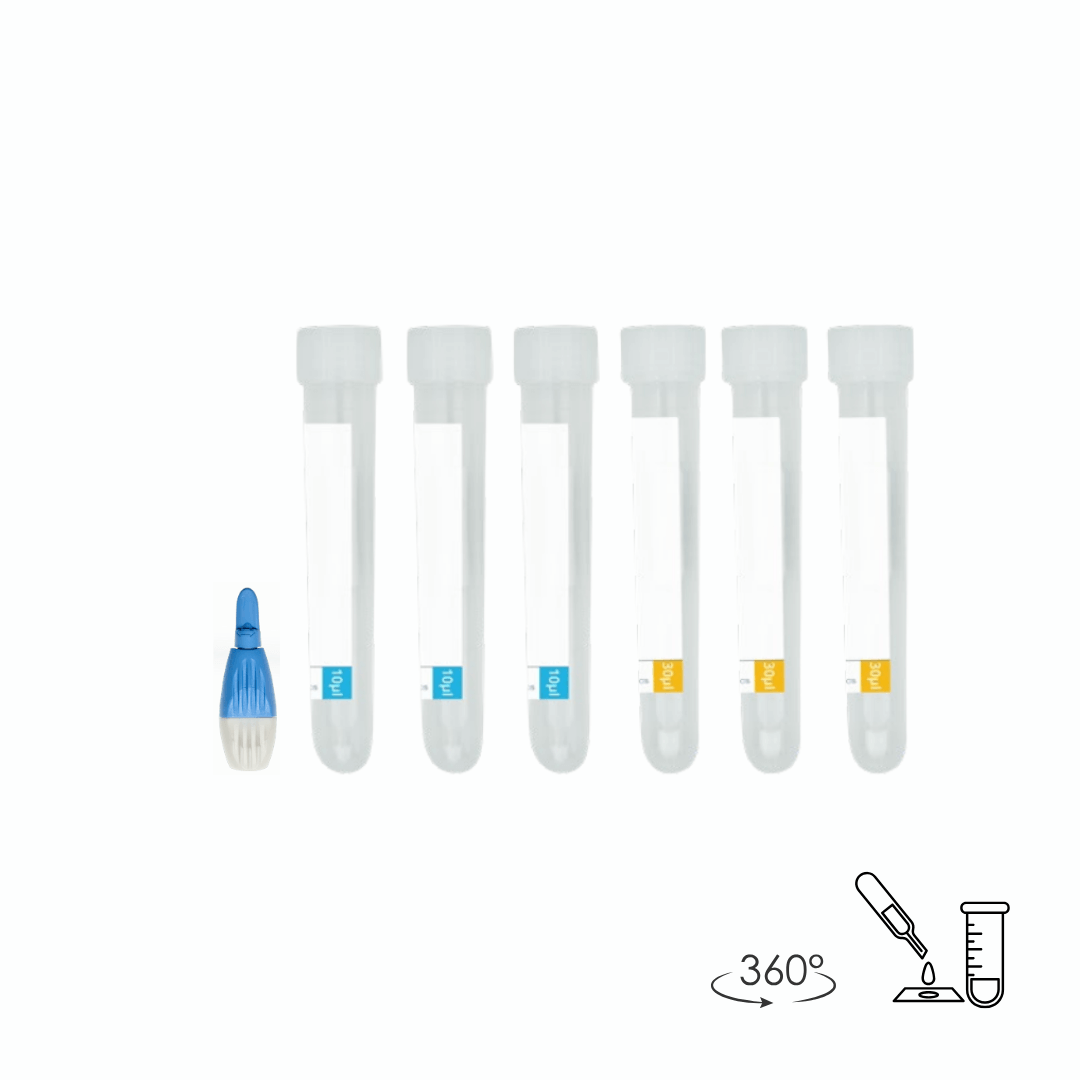

Which analysis fits you is best discussed in the initial consultation. See all analyses
Supplements
Supplements for the areas this analysis covers
Which product is right for you, and in what amount, is something you discuss with the ORY expert team or with your doctor or naturopath after your lab report. This page recommends nothing.


Food supplements are no substitute for a balanced diet. The full range: Supplements
Orientation
What happens next
Five routes, independent of this analysis. The same on every product page.
ORY Berlin sells analyses and products. What a lab report means for you is something a Heilpraktikerin or a doctor tells you, not this page.