


Epigenetics
Epigenetics | Metabolism & Health – epigenetic metabolism test
Epigenetic metabolism test at home: LINE-1 methylation, TNF-α and IL-6 methylation and the microRNAs miR-21, miR-22 and miR-155 – from a drop of finger-prick blood.
No prescription needed. Ships the next working day.
| Sample type | Capillary blood (fingertip) |
|---|---|
| Method | DNA-Methylierungsanalyse |
| Turnaround | 7–21 days from sample arrival |
| Analysis | Partner laboratory in Germany |
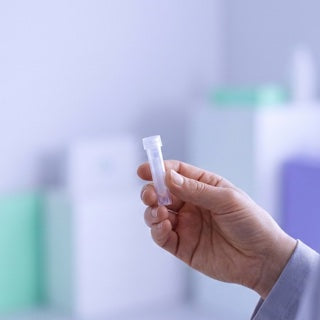 Methylation & microRNAs
Two epigenetic methods in one test
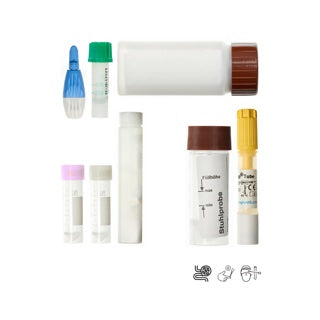 LINE-1, TNF-α, IL-6
Methylation markers from metabolic and inflammation research
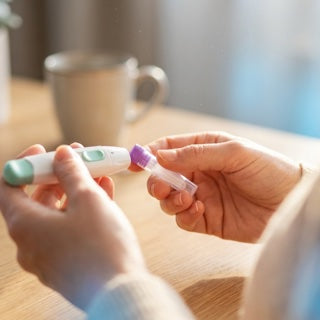 Sample collection at home
A drop of finger-prick blood on a collection card, about five minutes
 Results consultation included
Evaluation by the ORY expert team
Principle
Measure first, then decide
Without measured values, any treatment is guesswork. We turn the order around: first the lab report, then the decision.

-
01
Measure Six epigenetic metabolic markers from a drop of capillary blood, analysed at the partner laboratory in Germany.Epigenetics | Metabolism & Health · Capillary blood (fingertip) · 7–21 days from sample arrival
-
02
See where you stand Every value appears in the lab report with the laboratory's reference range. You can see which values fall inside it and which do not.Lab report including a consultation
-
03
Targeted, not generic Instead of a standard package you take what your values point to — agreed with the ORY expert team or with your doctor or naturopath.Initial consultation, 10 minutes, free
-
04
Measure again after a few months The same analysis a second time shows how the values have changed.Earliest sensible interval: 3 months


Ory experts are there for you
All along the way, doctors and Heilpraktiker from the Ory team are there for you — with your lab report and everything after it.
What a value means and whether a supplement might be an option for you is something to discuss with the ORY expert team or with your doctor or naturopath. This page makes no recommendation and is no substitute for medical assessment.
Details
What this analysis covers
What is measured
Methylation markers and microRNAs from metabolic research, from dried finger-prick blood – with the laboratory's labels and reference ranges.
The biomarker reference explains what lies behind the numbers: how values interact, which cofactors are involved and which biochemical processes take place in the body — for all values and areas, not only this analysis.
To the biomarker referenceThe values in detail
Low LINE-1 methylation – what does it mean?
LINE-1 elements are repetitive DNA sections that make up a large part of the genome. How strongly they are methylated serves as an approximation of methylation across the whole genome; in the report the value is called “DNA stability”. A systematic review found associations between LINE-1 methylation and body composition, insulin resistance, type 2 diabetes and cardiovascular disease, but in both directions: the results are contradictory (PubMed 30862304).
A value below the laboratory's reference range is therefore a measurement, not a statement about a disease.
What does the “weight reduction” value in the report mean?
The laboratory derives a percentage value from methylation patterns of LINE-1 and IL-6, which is called “weight reduction” in the report. The idea comes from studies such as a Spanish study of 96 people with obesity: those with higher LINE-1 methylation at the start lost more weight on average on a calorie-reduced diet (PubMed 26197243).
Results from single, small studies like this have not been tested as predictions for individual people. The value does not predict whether or how much weight you will lose and is not a basis for a particular diet.
TNF-α and IL-6 methylation – what does the inflammation value show?
TNF-α and IL-6 are messengers of the immune system released during inflammation. The test does not measure these messengers themselves but the methylation of their genes, which helps determine how strongly they are read. In people with obesity, this methylation changed after gastric bypass surgery, for example (PubMed 24837562). In overweight, chronic low-grade inflammation in fat tissue is well described (PubMed 33356944).
A methylation value is not an inflammation value like CRP in the blood. Whether inflammation is present is clarified by a medical examination.
Elevated miR-155 (“fat tissue”) – what does it mean?
miR-155 is a microRNA involved in inflammatory processes. More miR-155 was found in the fat tissue of people with obesity than in people of normal weight; the value was related to TNF-α and body mass index (PubMed 26829440).
These results come from fat tissue. How well a value in finger-prick blood reflects what happens in fat tissue is not established.
Elevated miR-21 and miR-22 – what do “inflammation” and “fat burning” mean?
miR-21 helps regulate inflammatory pathways and is being researched, together with IL-6, as a possible marker of age-related inflammation (“inflammaging”) (PubMed 34082077). miR-22 is studied in connection with fat metabolism and fatty liver, so far mainly in mice and with contradictory results (PubMed 33066497, PubMed 33004402).
The labels “inflammation” and “fat burning” come from the laboratory. How much fat someone burns or whether inflammation is present cannot be read from these values. microRNA measurements in blood also depend strongly on sample collection and measurement methods (PubMed 38882585).
Understanding epigenetics and metabolism
What is epigenetics – and can epigenetics help you lose weight?
Epigenetics describes mechanisms that control which genes are active in a cell without changing genetic information. These include DNA methylation and small regulatory RNA molecules (microRNAs). This test measures both.
It has not been shown that an epigenetic test helps people lose weight more successfully. Studies that deliberately changed diet showed inconsistent effects on methylation markers (PubMed 39077104), and it has not been demonstrated that a diet based on an epigenetic report achieves more than one without it.
Is the epigenetics test "Metabolism and Health" a genetic test?
No, not in the usual sense. A genetic test reads the genetic information, i.e. the sequence of DNA building blocks, and looks for inherited gene variants, for example. Epigenetics | Metabolism & Health, by contrast, measures methylation patterns (LINE-1, TNF-α, IL-6) and the amount of certain microRNAs. The gene sequence itself is not read, and the test does not look for hereditary diseases or ancestry.
Epigenetic marks change over the course of life and differ between tissues. The report therefore describes a state of blood cells at the time of sampling, not an innate characteristic.
Testing metabolism – what does conventional medicine measure, and where does the epigenetic test fit?
Disturbed metabolism is assessed by doctors using waist circumference, blood pressure, fasting blood glucose and blood lipids (triglycerides, HDL cholesterol). If several criteria apply, this is called metabolic syndrome (well established, internationally agreed definition, PubMed 19805654).
Epigenetic markers are not among these criteria and are not used in routine medical care. The test is an addition from research, not a substitute for blood glucose, blood lipid or blood pressure measurements.
Complaints and medical assessment
Metabolic syndrome and silent inflammation – which complaints and symptoms are they associated with?
Metabolic disorders often cause no complaints for a long time. Research describes the following associations, with varying strength of evidence:
- Abdominal obesity, raised blood pressure, blood glucose and blood lipids: together they form metabolic syndrome, which is associated with a higher risk of cardiovascular disease and type 2 diabetes, well established (PubMed 19805654).
- Chronic low-grade inflammation in fat tissue: well described in overweight and linked to insulin resistance (PubMed 33356944).
- Altered LINE-1 methylation: associated with overweight and cardiovascular risk factors, results contradictory (PubMed 30862304).
- Inflammation-related microRNAs such as miR-155 in fat tissue: observed in studies (PubMed 26829440).
These are associations from studies, not causes in an individual person. An epigenetic test cannot explain complaints and does not provide a diagnosis. Persistent complaints should first be assessed by a doctor.
When should I see a doctor first?
In case of severe thirst, frequent urination, unintended weight loss, persistent tiredness, poorly healing wounds, visual disturbances, repeatedly raised blood pressure readings, chest pain or pressure, or shortness of breath, the first step is a doctor's practice, not a self-test. For acute chest pain, call the emergency number 112.
Blood glucose, blood lipids and blood pressure can be measured by a doctor; from age 35, this is part of the statutory check-up in Germany. An epigenetic test does not replace these examinations.
Can metabolism or the inflammation values be improved?
This page does not give treatment, nutrition or training recommendations. That measures chosen on the basis of epigenetic values improve metabolism more than without these values has not been shown (PubMed 39077104). Whether a result means anything for you at all and which steps make sense depends on your overall situation: complaints, previous findings, medication and life circumstances.
What makes sense for you belongs in a conversation with the ORY expert team or with your doctor or naturopath, for example from the ORY expert network. The results consultation is included in the price.
Who it is for, process and costs
For whom
Epigenetics | Metabolism & Health is for anyone who wants epigenetic markers from metabolic and inflammation research measured as a snapshot, in addition to the usual medical metabolic values. Whether the measurement suits you can be clarified in the free initial consultation with the ORY expert team or with your doctor or naturopath, for example from the ORY expert network.
What a single value means in your situation is something to discuss with the ORY expert team or with your doctor or naturopath, for example from the ORY expert network. It does not replace medical assessment.
What do I need to consider before taking the blood sample?
Ideally collect the sample in the morning and eat as usual in the days before. Fill in the request form completely, have lancets, collection card, pipette, alcohol swab and plaster ready, and massage your arm from top to bottom so that your hand is well supplied with blood.
Clean the fingertip with the alcohol swab and let it dry completely. Prick the side of the fingertip, wipe away the first drop and let the blood drip freely onto at least 3–5 marked fields without squeezing. The card must dry openly for at least 45–60 minutes, not in the sun and not with a hair dryer.
How it works
Four steps from order to lab report.
- 01 Kit arrives Sent the next working day, postage paid, to your door.
- 02 Take the blood One small finger prick, one drop of blood, about five minutes.
- 03 Send it in Labelled, with the request form, in the postage-paid envelope.
- 04 Receive the report 7–21 days after the sample arrives.
Instructions
The essentials first:
- Warm your hand well first, clean the finger with an alcohol swab and let it dry.
- Put a small drop of blood on the pre-punched field and let it air-dry.
- Send it labelled, in the foil packaging, together with the request form.
Please read the instructions carefully. Correct preparation matters: it is what allows your sample – stool, urine, saliva or blood – to be evaluated cleanly and meaningfully.
View full illustrated instructions
Sample report
This is what your result looks like: the full lab report with all six metabolic markers — shown as an image, no download needed.
View sample report
How long until I get the result?
Analysis usually takes 7–21 days from the arrival of the sample at the laboratory. As soon as your report is ready, we let you know. A 10-minute results consultation with the ORY expert team is included in the price.
How much does the epigenetic metabolism test cost, and does health insurance pay?
Epigenetics | Metabolism & Health costs €390 including VAT, shipping, return shipping within Germany and a 10-minute results consultation.
Statutory health insurance in Germany usually does not cover epigenetic tests that you order yourself. With private insurance, reimbursement is possible but depends entirely on your policy; how this works is described under “Reimbursement by private insurance”.
Reimbursement by private insurance
For possible reimbursement by your private insurer, this is how it works with us:
Many private insurers cover the cost in full or in part – some not at all. That depends solely on your contract. We support you through the process as well as we can.
Sending your sample back
So that your sample reaches the laboratory safely, please follow the rule for your country.
| Country | Postage | Shipping |
|---|---|---|
| Germany | Already paid | Return postage is prepared, you do not need a stamp. |
| Austria | Add your own postage | To our address in Vienna, not to Germany. |
| Switzerland | Add your own postage | Separate return bag for Switzerland, sent to Germany. |
| Rest of Europe | Add your own postage | Sent to Germany. |
In short: Germany, everything is ready. Austria, add postage and send to Vienna. Switzerland, add postage, special bag, send to Germany. Rest of Europe, add postage and send to Germany.
Family and partner diagnostics
Testing together shows connections that a single analysis does not reveal. We need three things for that.
From three tests of the same analysis for the family you get 10 % off. Write to us and you will receive your own discount code.
Send an email
Which epigenetic test is right for me?
Epigenetics | Healthy Ageing (€354.94) examines DNA methylation patterns of selected genes associated with ageing. Epigenetics | Metabolism & Health (€390) combines LINE-1 methylation, methylation of TNF-α and IL-6 and microRNAs related to fat tissue and inflammation. Epigenetics | Sport & Training (€390) measures six microRNAs studied in exercise research. Epigenetics | Stress Monitor (€275) measures microRNAs studied in connection with stress and inflammation. If you want the stress hormone cortisol measured over the course of the day, see the cortisol day profile (€155).
Which scope makes sense for you can be clarified in the free initial consultation.
Also relevant
Similar analyses
More in depth, or a different focus.


Which analysis suits you is best discussed in the initial consultation. See all analyses
Supplements
Supplements for the areas this analysis covers
Which product suits you, and in what amount, is something you discuss with the ORY expert team or with your doctor or naturopath after your lab report. This page recommends nothing.


Food supplements are no substitute for a balanced diet. The full range: Supplements
Orientation
What happens next
Five routes, independent of this analysis. The same on every product page.
ORY Berlin sells analyses and products. What a lab report means for you is something a non-medical practitioner or a doctor tells you, not this page.