


Micronutrient diagnostics
OM Vital blood test – lipids, hs-CRP, TSH, liver & vitamins
Blood test at home: blood lipids, hs-CRP, TSH, liver and kidney values, vitamins and coenzyme Q10 from one capillary blood sample, analysed by a partner laboratory.
No prescription needed. Ships the next working day.
| Sample type | Kapillarblut, 600 µl |
|---|---|
| Method | Partner laboratory analysis |
| Turnaround | 7–21 days from sample arrival |
| Analysis | Partner laboratory in Germany |
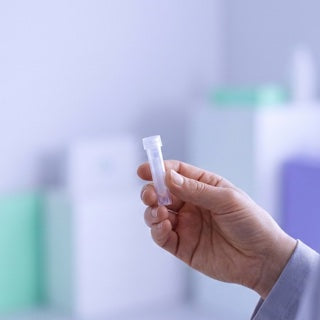 Several areas, one sample
Blood lipids, inflammation, thyroid, liver, kidney and vitamins
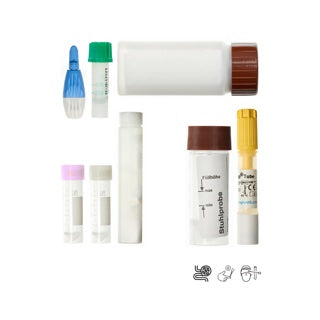 Laboratory analysis
Laboratory reference ranges, additional ranges for some values
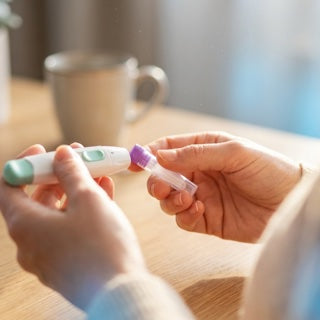 Sample collection at home
600 µl capillary blood, fasting in the morning
 Results consultation included
Evaluation by the ORY expert team
Principle
Measure first, then decide
Without measured values, any treatment is guesswork. We turn the order around: first the lab report, then the decision.

-
01
Measure 22 parameters from 600 µl of capillary blood, analysed at the partner laboratory in Germany.OM Vital blood test · Capillary blood, 600 µl · 7–21 days from sample arrival
-
02
See where you stand Every value appears in the lab report with the laboratory's reference range. You can see which values fall inside it and which do not.Lab report including a consultation
-
03
Targeted, not generic Instead of a standard package you take what your values point to — agreed with the ORY expert team or with your doctor or naturopath.Initial consultation, 10 minutes, free
-
04
Measure again after a few months The same analysis a second time shows how the values have changed.Earliest sensible interval: 3 months


Ory experts are there for you
All along the way, doctors and Heilpraktiker from the Ory team are there for you — with your lab report and everything after it.
What a value means and whether a supplement might be an option for you is something to discuss with the ORY expert team or with your doctor or naturopath. This page makes no recommendation and is no substitute for medical assessment.
Details
What this analysis covers
What is measured
Values from several areas from one capillary blood sample: blood lipids, inflammation, thyroid, organ values, vitamins and trace elements.
The biomarker reference explains what lies behind the numbers: how values interact, which cofactors are involved and which biochemical processes take place in the body — for all values and areas, not only this analysis.
To the biomarker referenceThe values in detail
LDL cholesterol high or HDL too low – what does it mean?
The test measures total cholesterol, LDL cholesterol, HDL cholesterol and triglycerides. Elevated LDL cholesterol is a well-documented risk factor for cardiovascular diseases such as heart attack and stroke; according to the European guideline, the target value depends on a person's overall risk (PubMed 31504418).
Low HDL and elevated triglycerides are also associated with higher risk. Triglycerides rise after eating; this test therefore requires 12 hours of fasting. Blood lipids should be assessed in medical care, especially if cardiovascular disease runs in the family (PubMed 31504418).
Elevated hs-CRP – what does a raised inflammation marker mean?
C-reactive protein (CRP) is produced in the liver when inflammation or tissue damage occurs in the body. It rises markedly with infections, injuries and inflammatory diseases (PubMed 36745137). The high-sensitivity test (hs-CRP) also detects low concentrations; in studies, values below 1, 1–3 and above 3 mg/l were associated with lower, moderate and higher cardiovascular risk (PubMed 15258556).
A single elevated value often has simple reasons, such as an infection, an injury or intense exercise. It is therefore considered in context and repeated if needed; "silent inflammation" is not an established diagnosis in its own right.
TSH too high or too low – what does the thyroid value show?
TSH is the pituitary hormone that controls the thyroid. An elevated TSH can indicate an underactive thyroid, whose most common complaints in adults are fatigue, lethargy, cold intolerance, weight gain, constipation and dry skin (PubMed 28336049). A low TSH can indicate an overactive thyroid, whose most common causes are Graves' disease and thyroid nodules (PubMed 27038492).
TSH alone is not enough for a diagnosis; this requires further thyroid values and a medical examination (PubMed 28336049).
Liver values ALT, GGT and ALP elevated – what does it mean?
ALT (GPT) is an enzyme that enters the blood when liver cells are damaged. GGT and alkaline phosphatase (ALP) can rise with impaired bile flow; ALP also partly comes from bone. The work-up includes looking for viral hepatitis, fatty liver and the effects of alcohol and medication, among other things (PubMed 27995906).
In studies, an elevated ALT was associated with higher liver-related mortality; the American guideline therefore advises having elevated values assessed, even without complaints (PubMed 27995906).
Creatinine, uric acid and amylase elevated – what do these values show?
Creatinine is a breakdown product of muscle and is excreted via the kidneys. An elevated value can indicate reduced kidney function, but it also depends on muscle mass, meat intake and fluid balance. Chronic kidney disease often causes no or only non-specific complaints and is assessed via the kidneys' filtration rate (GFR) and urine findings (PubMed 27887750).
Elevated uric acid is the most important risk factor for gout (PubMed 33798500). Amylase comes from the pancreas and salivary glands; when investigating acute pancreatitis, lipase is considered the more suitable value (PubMed 28720341).
Vitamins, coenzyme Q10, ferritin, selenium and copper – what do they show?
The test also determines vitamin B12, vitamin D (25-OH), vitamin E and coenzyme Q10; according to the test description, also folic acid, ferritin, selenium and copper. B12 deficiency can lead to anaemia and nerve damage (PubMed 28660890), pronounced vitamin D deficiency to softening of the bones (PubMed 17634462). Ferritin is the established marker of iron stores (PubMed 25946282).
The vitamins are explained in detail on the basic vitamin check, selenium and copper on the whole blood mineral analysis.
Understanding the OM Vital blood test
What is the OM Vital blood test – explained simply?
OM stands for "orthomolecular". In one capillary blood sample, the test combines values from several areas: blood lipids, inflammation (hs-CRP), thyroid (TSH), liver, kidney, uric acid and pancreas, as well as vitamins, coenzyme Q10 and trace elements. This gives a broad overview from one sample.
Orthomolecular medicine is not a recognised medical specialty. The individual lab values, however, are established measurements whose meaning is explained with sources in the answers above.
What are preventive-medicine optimal ranges?
The report states the laboratory's reference range for each value. For some values, the laboratory also gives narrower "preventive-medicine optimal ranges". These ranges come from the laboratory, not from medical guidelines. For vitamin D, for example, the Endocrine Society was unable in 2024 to define a target level that demonstrably prevents disease (PubMed 38828931).
A value outside an optimal range is therefore not a sign of disease but a reason for a conversation.
Blood test at the GP or OM Vital – what is the difference?
At the GP's practice, blood is taken from a vein, usually targeted to complaints and medical history. From age 35, a health check-up including blood lipids and blood sugar is covered by statutory health insurance in Germany. The OM Vital blood test does not measure blood sugar.
The OM Vital blood test uses capillary blood from the fingertip and combines standard values with vitamins and trace elements. Capillary blood is delicate: squeezing can destroy blood cells (haemolysis); the sample report shows that the laboratory notes this in the report. With abnormal values, a follow-up check from venous blood is often useful.
Complaints and medical assessment
Fatigue and exhaustion – which complaints are associated with the measured values?
Research associates deviations of the measured values with the following complaints, with varying strength of evidence:
- Fatigue, cold intolerance, weight gain, constipation, dry skin with an underactive thyroid (TSH elevated): well documented (PubMed 28336049).
- Fatigue, pallor, reduced exercise capacity with iron deficiency (low ferritin): well documented (PubMed 25946282).
- Tingling, numbness, unsteady gait with B12 deficiency: well documented (PubMed 28660890).
- Sudden, very painful joint inflammation, often at the base of the big toe, with gout (uric acid elevated): well documented (PubMed 33798500).
- Bone pain and muscle weakness with pronounced vitamin D deficiency: well documented (PubMed 17634462).
- Elevated blood lipids and elevated hs-CRP usually cause no complaints; they are risk factors for cardiovascular disease (PubMed 31504418, PubMed 15258556).
These are associations from studies and textbook knowledge, not causes in an individual person. A blood test cannot explain complaints and does not provide a diagnosis. Persistent complaints should first be assessed by a doctor.
When should I see a doctor first?
With chest pain, shortness of breath, signs of paralysis or speech disorders, call the emergency number 112 immediately. With severe upper abdominal pain, yellowing of the skin or eyes, dark urine, fever, unintended weight loss, a racing heart with tremor and weight loss, or a swelling in the neck, the first step is a doctor's practice, not a self-test.
If early heart attacks or strokes or very high cholesterol run in your family, blood lipids belong in medical care. Abnormal liver, kidney or thyroid values should be checked by a doctor, even without complaints.
Can blood lipids, inflammation markers or nutrient levels be improved?
This page does not recommend supplements, diets or therapies. Whether a value means anything at all and which steps make sense depends on your overall situation: complaints, previous illnesses, medication and diet. For blood lipids, thyroid, liver and kidney, treatment belongs in medical hands.
What makes sense for you belongs in a conversation with the ORY expert team or with your doctor or naturopath, for example from the ORY expert network. The results consultation is included in the price.
Who it is for, process and costs
For whom
The OM Vital blood test is for anyone who wants a broad overview of blood lipids, inflammation, thyroid, organ values and nutrients from capillary blood. Whether the measurement suits you can be clarified in the free initial consultation with the ORY expert team or with your doctor or naturopath, for example from the ORY expert network.
What a single value means in your situation is something to discuss with the ORY expert team or with your doctor or naturopath, for example from the ORY expert network. It does not replace medical assessment.
What do I need to consider before the OM Vital blood test?
Collect the sample in the morning on an empty stomach before breakfast: eat nothing for 12 hours beforehand and drink only water. No alcohol and no intense exercise for 24 hours beforehand. Do not take vitamin preparations or supplements directly before sampling. On the day of sampling, drink 1–2 glasses of water and warm your hand.
Fill in the request form with the date and time of sampling and stick the barcode on the tube. Prick the side of the fingertip, wipe away the first drop and fill the CapiSave tube up to the 600 µl mark without squeezing; close it immediately. Preferably send the sample from Monday to Thursday and do not store it in heat or sunlight.
How it works
Four steps from order to lab report.
- 01 Kit arrives Ships the next working day, postage paid to your door.
- 02 Take the blood 600 µl capillary blood with the lancet provided.
- 03 Send it in Send it in the postage-paid envelope.
- 04 Get your lab report 7–21 days after the sample arrives, with a discussion included.
Instructions
The essentials first:
- Warm your hand up well first, clean the finger with an alcohol swab and let it dry.
- Prick the side of the fingertip and fill the tube with 600 µl capillary blood.
- Close the tube firmly and send it in the postage-paid envelope.
Please read the instructions carefully. Correct preparation matters: it is what allows your sample – stool, urine, saliva or blood – to be evaluated cleanly and meaningfully.
View full illustrated instructions
Sample report
This is what your result looks like: the full lab report with all 22 parameters — shown as an image, no download needed.
View sample report
How long until I get the result?
Analysis usually takes 7–21 days from the arrival of the sample at the laboratory. As soon as your report is ready, we let you know. A results consultation with the ORY expert team is included in the price.
What does the OM Vital blood test cost, and does health insurance pay?
The OM Vital blood test costs €205 including VAT, shipping, return postage and results consultation.
Statutory health insurance in Germany generally does not cover blood tests you order yourself. With private insurance, reimbursement may be possible; how it works is described under "Reimbursement by private insurance".
Reimbursement by private insurance
For possible reimbursement by your private insurer, this is how it works with us:
Many private insurers cover the cost in full or in part – some not at all. That depends entirely on your policy. We support you through the process as best we can.
Sending your sample back
So that your sample reaches the laboratory safely, please follow the rule for your country.
| Country | Postage | Shipping |
|---|---|---|
| Germany | Already paid | Return postage is prepared, you do not need a stamp. |
| Austria | Add your own postage | To our address in Vienna, not to Germany. |
| Switzerland | Add your own postage | Separate return bag for Switzerland, sent to Germany. |
| Rest of Europe | Add your own postage | Sent to Germany. |
In short: Germany, everything is ready. Austria, add postage and send to Vienna. Switzerland, add postage, special bag, send to Germany. Rest of Europe, add postage and send to Germany.
Family and partner diagnostics
Testing together shows connections that a single analysis does not reveal. We need three things for that.
From three tests of the same analysis for the family you get 10 % off. Write to us and you will receive your own discount code.
Send an email
Which blood test suits me?
The OM Vital blood test (€205) is the broadest overview from capillary blood. The basic vitamin check (€98.50) measures only vitamins, the vitamin D test (€39.90) only vitamin D. Fatty acids such as the omega-3 index are measured by the omega-3/6 test (€90), minerals in whole blood by the whole blood mineral analysis (€75).
Which scope makes sense for you can be clarified in the free initial consultation.
Also relevant
Similar analyses
More in depth, or with a different focus.
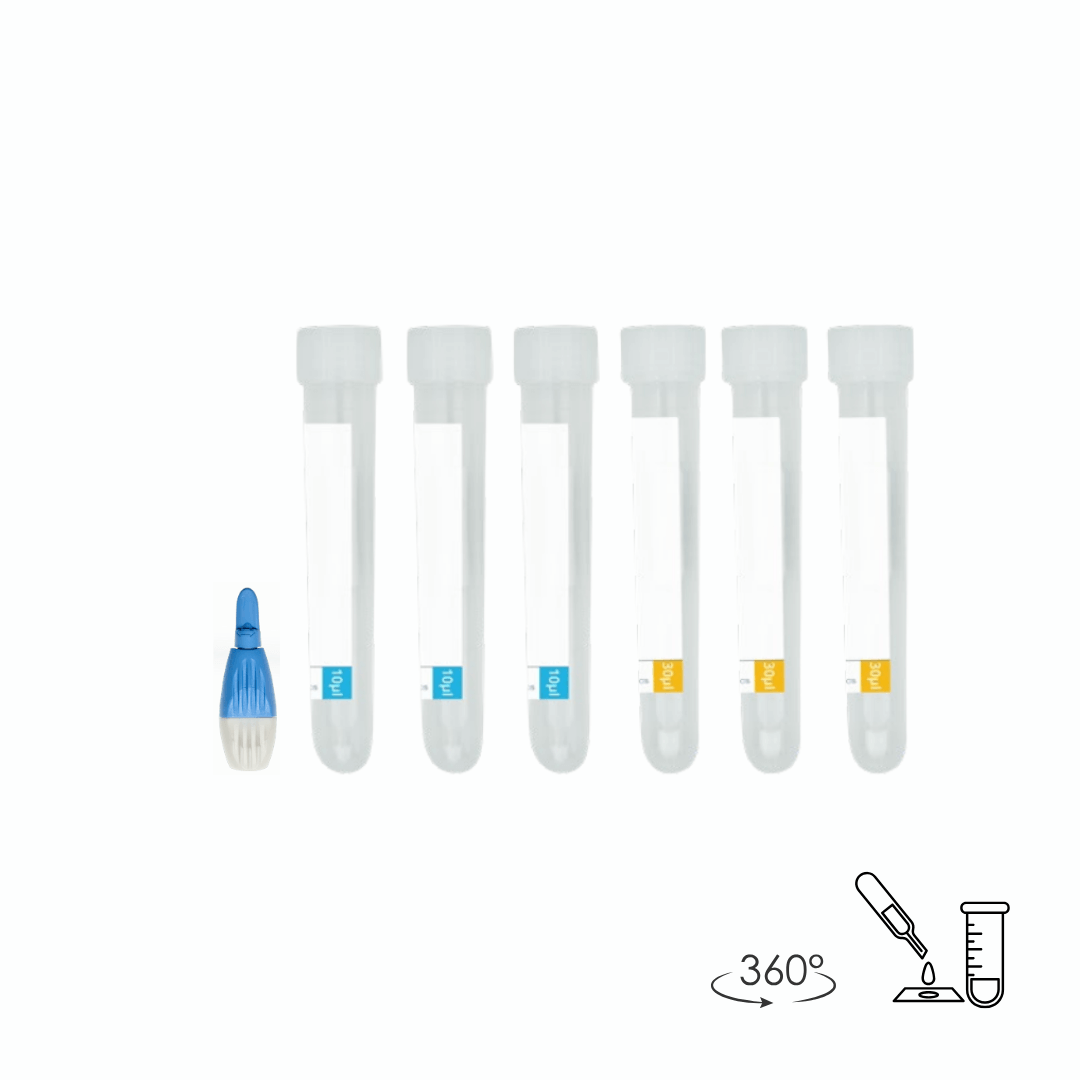

Which analysis suits you is best discussed in the initial consultation. See all analyses
Supplements
Supplements for the areas this analysis covers
Which product suits you, and in what amount, is something you discuss with the ORY expert team or with your doctor or naturopath after your lab report. This page recommends nothing.


Food supplements are no substitute for a balanced diet. The full range: Supplements
Orientation
What happens next
Five routes, independent of this analysis. The same on every product page.
ORY Berlin sells analyses and products. What a lab report means for you is something a non-medical practitioner or a doctor tells you, not this page.