grow older healthier








Stay healthy and full of energy as you age.
ORY offers broad diagnostic testing & food supplements

Are you over 65 and worried about your health?
Do you often feel worn out or
have trouble with digestion?
Are you in pain?
Are you missing the right nutrients?
Ory offers a whole-picture analysis of your health, covering vitamins, the microbiome and minerals,
along with supplements matched to you, to support your health and improve how you feel.
Prevention — are you worried about your health?
Now is the right time for prevention that looks at the whole picture.
With targeted testing and micronutrient analyses (for example a vitamin, mineral, gut or mitochondria check), causes can be identified and treated individually – before complaints become chronic. Over time this supports your energy, your immune system, your digestion, your joints and your mental sharpness.
FAQs
What are the most common chronic conditions in later life, and how can ORY-Analysis help to spot them early and act against them?
The most common chronic conditions in later life include:
• Cardiovascular conditions such as high blood pressure, coronary heart disease and heart failure, made more likely by age-related changes in the vessels and by lifestyle factors.
• Osteoarthritis and osteoporosis, chronic degenerative conditions of the musculoskeletal system that lead to pain and restricted movement.
• Type 2 diabetes, a chronic metabolic disorder that is common in later life because of insulin resistance and too little movement.
• Dementia and Alzheimer's disease, neurodegenerative conditions that lead to a progressive loss of cognitive ability.
• Chronic airway conditions such as COPD or chronic bronchitis, which arise from years of strain on the airways.
How ORY-Analysis can help:
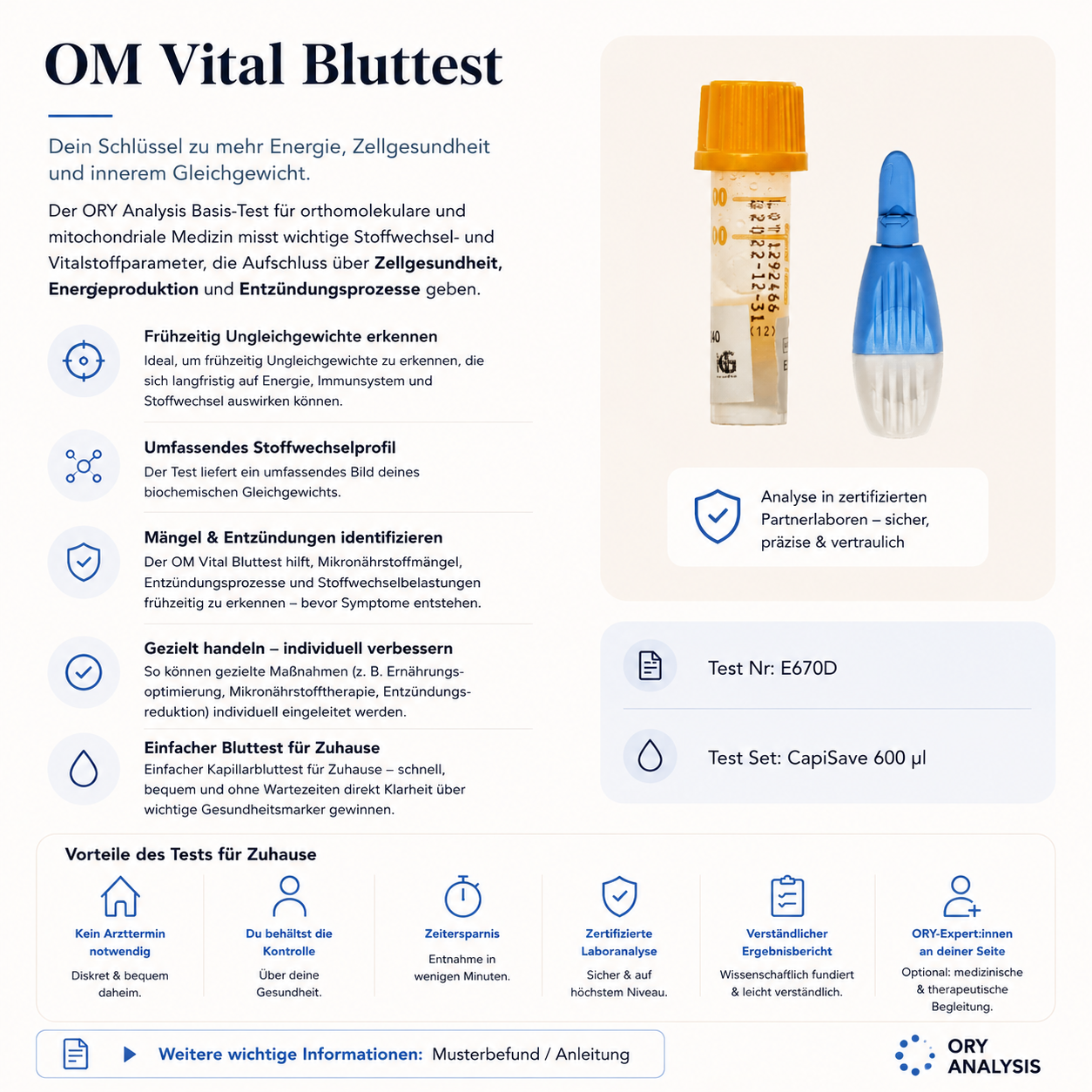
ORY-Analysis (for example through analysis of stool, blood and urine biomarkers, digitised health data and AI-based evaluation) can contribute to early detection and prevention in several areas:
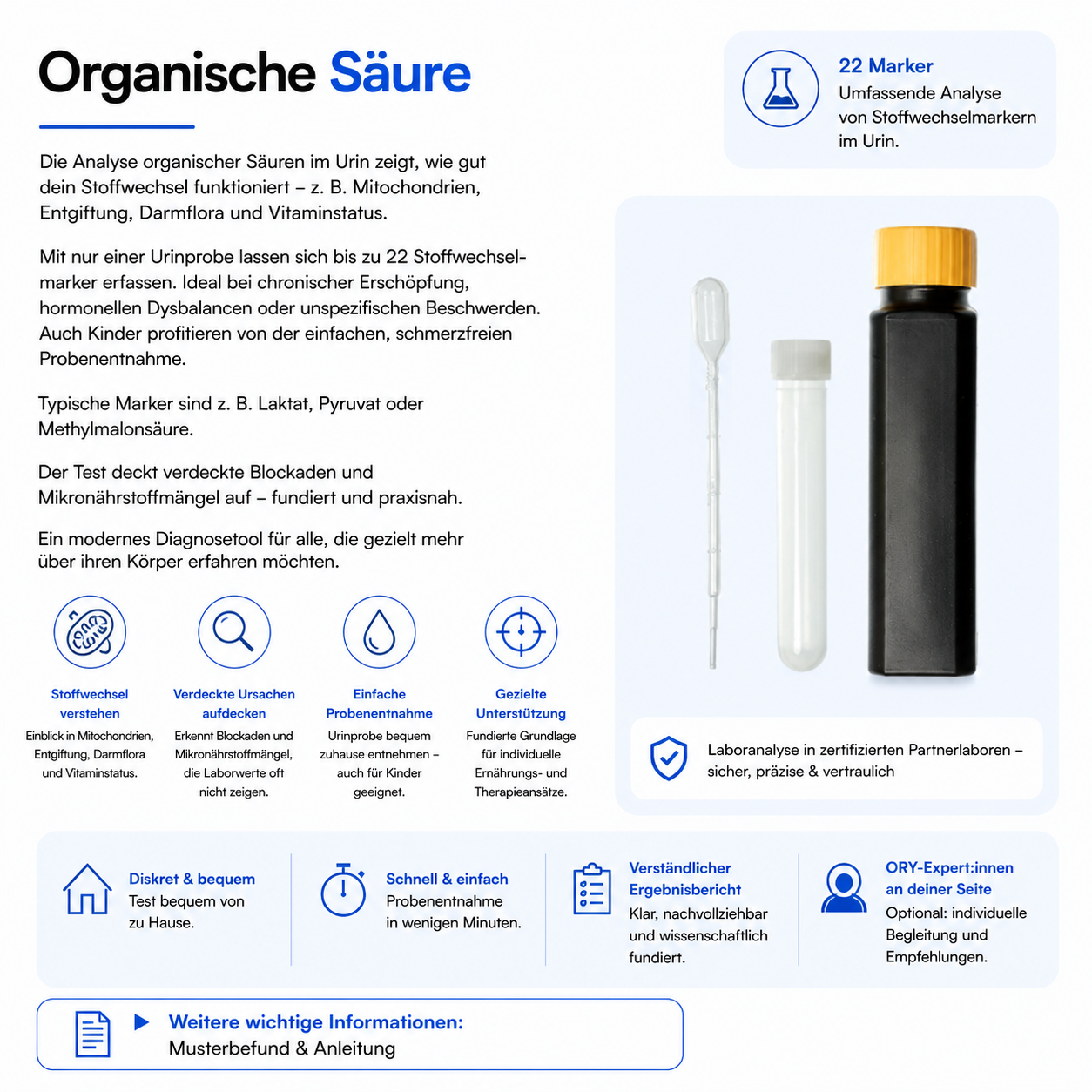
• Picking up metabolic changes early: biomarkers in urine can point to early signs of type 2 diabetes or kidney disease, often before clinical symptoms appear.
• Inflammatory markers and indicators of oxidative stress in urine
Why does a gut check-up using stool testing matter for older people, and what does it show?
A gut check-up matters particularly in later life, because it says something about the microbiome, digestive performance, inflammatory markers, histamine load and immune defence. Stool testing can point to chronic inflammation, nutrient shortages, silent digestive problems or a weakened immune system – all factors that in older people can be linked with conditions such as irritable bowel, osteoporosis, proneness to infection or neurodegenerative processes.
Why does a vitamin, mineral and amino acid check-up matter in later life?
With age, the uptake and use of nutrients falls, while the need for certain vitamins, minerals and amino acids often rises. A check-up matters for spotting shortages early, because they affect core functions:
• Vitamins such as B12, D, C, E and K are important for nerves, bones, immune defence and the protection of cells.
• Minerals such as magnesium, zinc, iron and selenium support the metabolism and the renewal of cells, and damp down inflammation.
• Amino acids are building blocks of proteins and neurotransmitters, and support energy production (mitochondria), muscle and immune function.
A shortage can lead to exhaustion, proneness to infection, muscle weakness, cognitive decline and slower healing. The check-up helps you act on it in a targeted way.
Why does it matter to keep an eye on neurotransmitters in later life, and when is testing worthwhile?
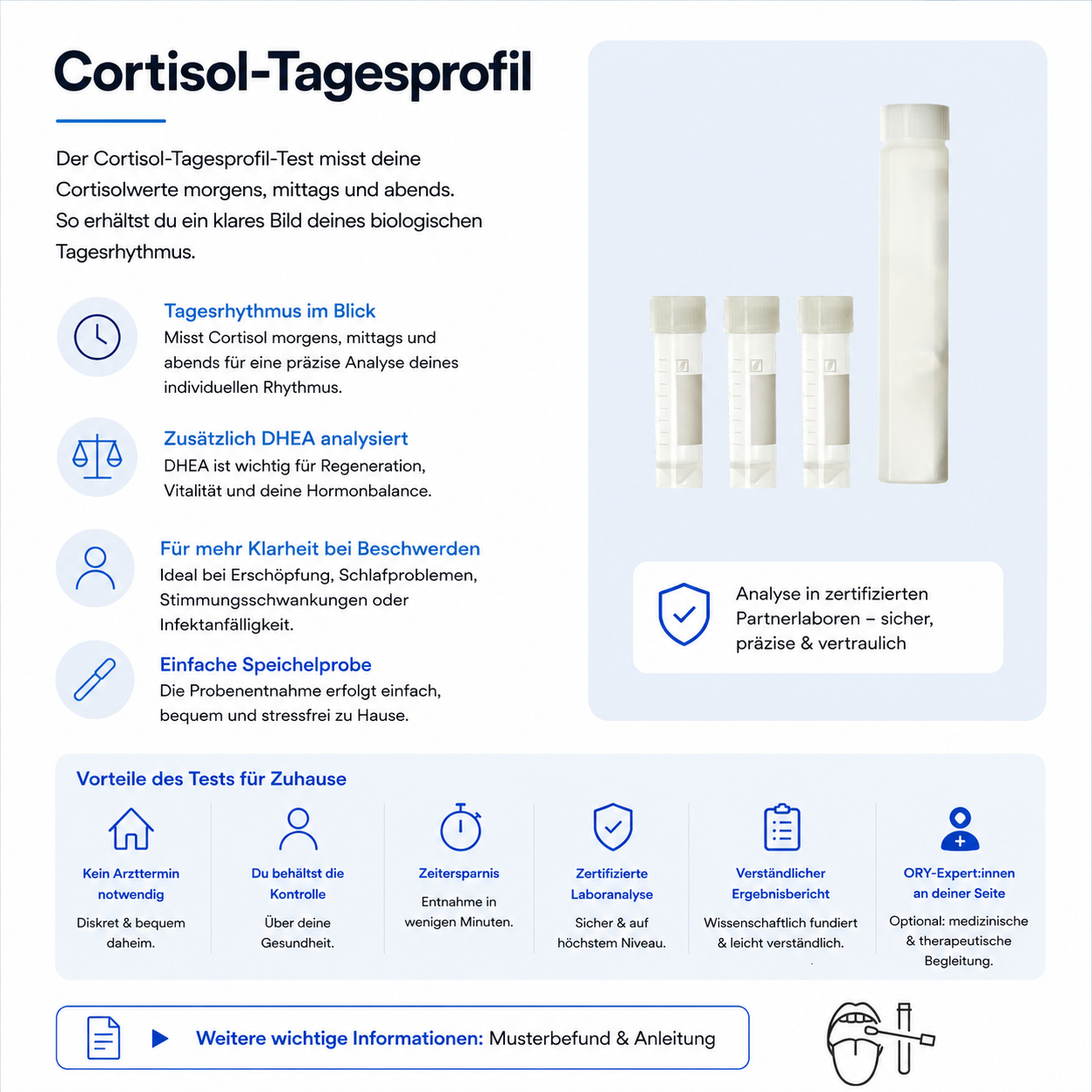
Neurotransmitters such as serotonin, dopamine, GABA and acetylcholine are involved in core processes such as mood, memory, sleep, digestion and relaxation. Their levels can fall with age, which can lead to disturbed sleep, lack of drive, anxiety, digestive problems or cognitive decline. Testing neurotransmitters (for example from urine or saliva) is therefore worthwhile, so that imbalances are picked up early and can be addressed through diet, micronutrients or plant-based support.

To support:
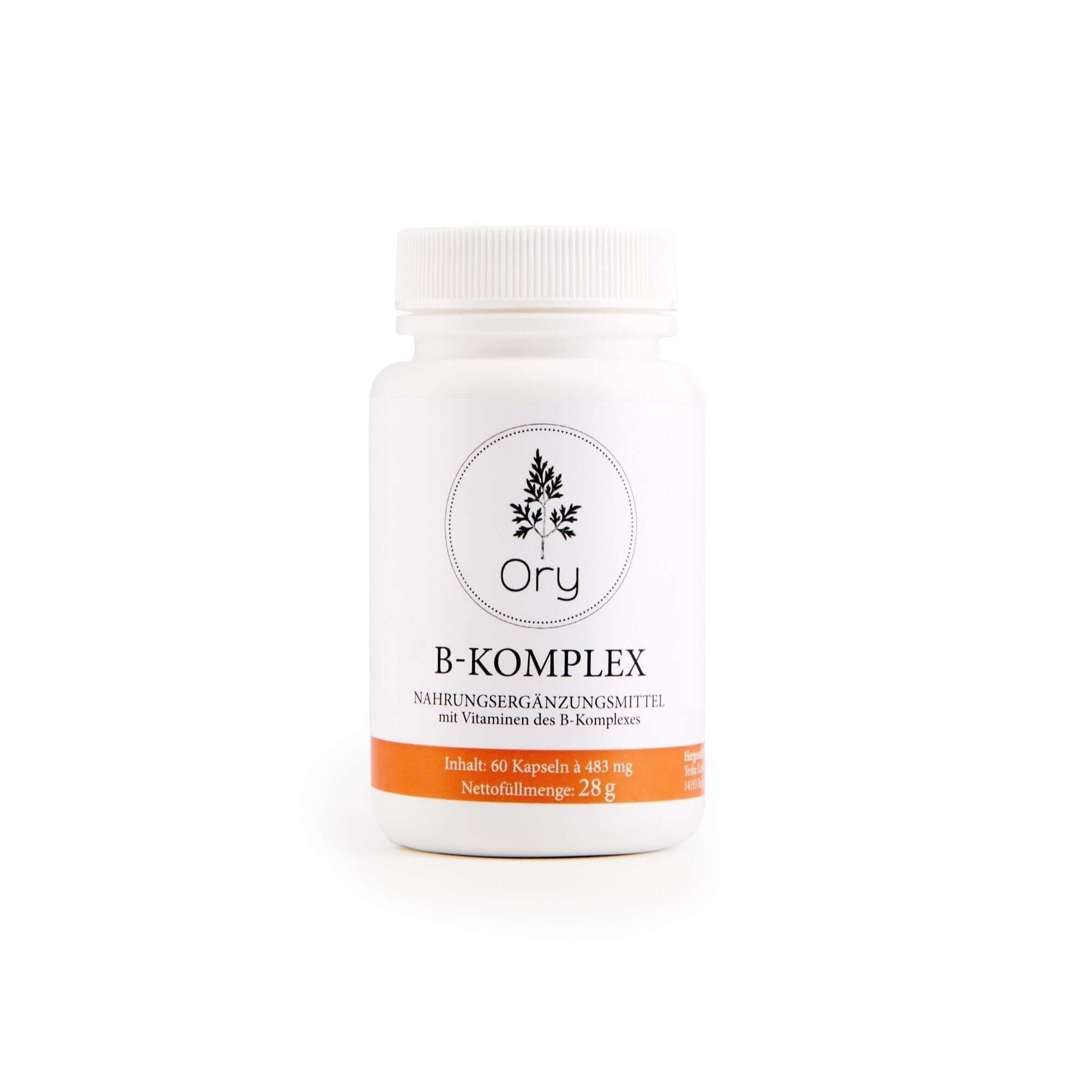
mitochondrial function, brain performance, mobility and joint health in later life, targeted supplementation is worth considering