


Stool test · protozoan DNA by PCR
Parasite PCR profile – stool test for DNA of gut protozoa
Stool test for home use: PCR for DNA of six intestinal protozoa, including Blastocystis and Dientamoeba; the full list is under "What is measured". A positive result is an indication that is assessed by a doctor.
Dispatched the next working day.
| Sample type | Stuhlprobe |
|---|---|
| Method | PCR |
| Turnaround | 7–21 days after arrival |
| Analysis | Partner laboratory in Germany |
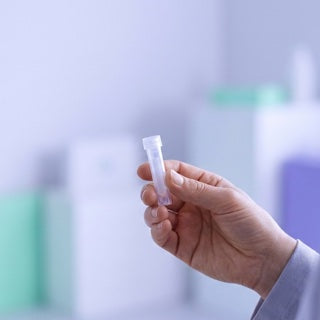 Six intestinal protozoa
DNA of six protozoa from one stool sample
Six intestinal protozoa
DNA of six protozoa from one stool sample
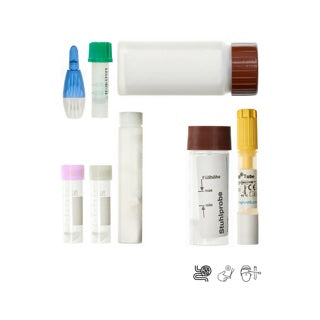 PCR in the partner laboratory
Genetic material is specifically amplified, result positive or negative
PCR in the partner laboratory
Genetic material is specifically amplified, result positive or negative
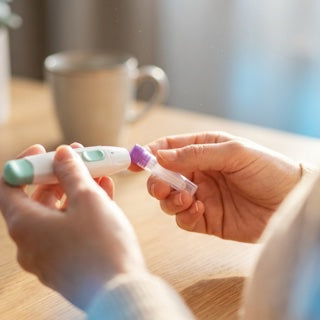 Sample collection at home
One stool sample with the OmicSnap tube, no cooling
Sample collection at home
One stool sample with the OmicSnap tube, no cooling
 Results consultation included
Evaluation by the ORY expert team
Results consultation included
Evaluation by the ORY expert team
The approach
Measure, interpret, assess
A stool test provides indications, not a diagnosis. What matters is what happens after the report: positive results are assessed by a doctor, who decides on any treatment.

-
01
Measure DNA of six intestinal protozoa from one stool sample, analysed in a partner laboratory in Germany.Parasite PCR profile · stool sample · 7–21 days from sample arrival
-
02
See what was found Each item appears in the report as positive or negative. A positive result does not show whether the protozoan causes complaints.Report including consultation
-
03
Get it assessed Positive results are interpreted by a doctor. For notifiable pathogens, the laboratory reports to the public health office.Consultation with the ORY expert team or your doctor
-
04
Warning signs first With blood in the stool, fever or diarrhoea after travel to the tropics, a medical examination is the first step.GP, paediatrician, tropical medicine clinic


Ory experts are there for you
All along the way, doctors and Heilpraktiker from the Ory team are there for you — with your lab report and everything after it.
What a value means and whether a supplement might be an option for you is something to discuss with the ORY expert team or with your doctor or naturopath. This page makes no recommendation and is no substitute for medical assessment.
Details
What this analysis includes
What is measured
The laboratory examines one stool sample by PCR for the genetic material of six intestinal protozoa. Each item appears in the report as "positive" or "negative" – there is no quantity. Giardia and Cryptosporidium are notifiable: the laboratory reports positive results to the public health office, and assessment is medical.
The biomarker reference explains what lies behind the numbers: how values interact, which cofactors are involved and which biochemical processes take place in the body — for all values and areas, not only this analysis.
To the biomarker referenceThe values in detail
Blastocystis hominis positive – what does that mean?
Blastocystis is the single-celled organism most frequently found in the human gut. A review summarises that most studies show it to be a common component of a healthy gut microbiome, while some studies describe a decrease in beneficial bacteria (PubMed 33630979).
Whether Blastocystis causes complaints is disputed. A meta-analysis of 17 studies found it more often in people with irritable bowel syndrome than in healthy people (PubMed 28668983). A population-based Danish study, by contrast, found it slightly more often in people without irritable bowel syndrome (PubMed 25229421). A recent review points out that sensitive PCR methods find Blastocystis in 15–25% of people tested and that a positive result often triggers treatment even though its clinical significance is uncertain (PubMed 42838172).
What this means for you: a positive result is not proof that Blastocystis causes complaints. Whether it plays a role for you is a medical judgement in the context of all findings.
Dientamoeba fragilis positive – what does that mean?
Dientamoeba fragilis is a protozoan of the large intestine found worldwide in connection with gastrointestinal complaints. A review describes that little is known about its life cycle and transmission and that whether it causes disease is disputed (PubMed 27170141).
In the Danish population study, Dientamoeba was found in 35% of people without irritable bowel syndrome and in 23% of people with it (PubMed 25229421); the meta-analysis found no association with irritable bowel syndrome (PubMed 28668983). It is frequently found in children.
What this means for you: a positive result alone does not explain complaints. Interpretation is medical.
Entamoeba histolytica positive – what does that mean?
Entamoeba histolytica is an amoeba found mainly in tropical regions. It can attack the gut lining (amoebic dysentery) and in rare cases reach the liver via the bloodstream. Under the microscope it looks exactly like the harmless Entamoeba dispar – only genetic methods distinguish the two (PubMed 12660071, review in the Lancet).
PCR can distinguish E. histolytica from E. dispar directly in stool and was more sensitive than microscopy and culture in one study (PubMed 12454128).
Positive means: genetic material of E. histolytica was found. This result belongs in a doctor's hands promptly, even without complaints. The amoeba is not on the national list under Sec. 7 IfSG; whether notification is required is clarified by the laboratory and the doctor.
Cyclospora positive – what does that mean?
Cyclospora cayetanensis is a protozoan acquired via contaminated food – often fresh fruit, salad or herbs – or water. It can cause gastrointestinal illness with diarrhoea, which can take a more complicated course with weakened immunity. According to a review, its importance for health is probably underestimated (well established, PubMed 30885589).
Positive means: genetic material of Cyclospora was found. Assessment and any treatment are carried out by a doctor.
Giardia or Cryptosporidium positive – what applies then?
Giardia lamblia and Cryptosporidium are notifiable pathogens under § 7 IfSG of the German Infection Protection Act. A positive result is reported by the laboratory to the public health office; diagnosing and treating such an infection is reserved for doctors under § 24 IfSG.
What this means in practice: a positive result is assessed in a doctor's practice, not in a results consultation with a naturopath. For children under six in community facilities (§ 34 IfSG) and for people working with food (§ 42 IfSG), additional rules apply in Germany in the case of infectious diarrhoea; what applies in an individual case is clarified by the doctor or the public health office.
For context: according to a review, Giardia infections are just as often without complaints as with them (PubMed 27501461). Cryptosporidium is of particular importance in people with weakened immunity (PubMed 25278220). What a result means for you can only be judged by the doctor.
What do "positive" and "negative" mean in the report – and how reliable is the result?
PCR specifically amplifies short sections of genetic material and assigns them to a species. The result is qualitative: positive (found) or negative (not found). There is no quantity.
Negative means: no genetic material of the six measured protozoa was found in this one sample. Other pathogens – bacteria, viruses, worms – are not examined. A negative result therefore does not explain where complaints come from.
Positive means: genetic material was found. This does not show whether the protozoan causes complaints – with Blastocystis and Dientamoeba this is often precisely what is unclear. Interpretation is medical.
Understanding intestinal parasites
What are intestinal parasites (single-celled, protozoa) – simply explained?
"Intestinal parasites" is an umbrella term for organisms that live in the gut and feed off their host there. There are two large groups:
- Single-celled organisms (protozoa): microscopically small organisms consisting of a single cell, such as Blastocystis, Dientamoeba, amoebae, Giardia, Cryptosporidium or Cyclospora. They are usually taken up via contaminated water, food or hands.
- Worms (helminths): multicellular animals such as pinworm, roundworm or tapeworm. This test does not measure them – the worm profile does.
Not every protozoan in the gut is a pathogen. Some – such as Blastocystis – are frequently found in healthy people and are regarded by part of the research community as residents of the gut microbiome (PubMed 33630979).
PCR or microscope – how are parasites examined in stool?
Traditionally, stool is examined under the microscope for cysts and eggs; this often requires samples from several days. PCR, by contrast, looks for the genetic material of the protozoa. A clinical review on persistent diarrhoea names both routes – microscopy and PCR including multiplex PCR – as available methods (PubMed 27357241).
PCR can distinguish pathogens that look the same under the microscope, such as E. histolytica and E. dispar (PubMed 12454128). Its high sensitivity has a downside, however: it finds protozoa such as Blastocystis and Dientamoeba much more often, without clarifying whether they cause complaints (PubMed 42838172).
Parasite test in blood? For the protozoa in this profile, stool is the usual sample material. Whether blood tests are useful in addition is decided by the doctor.
Blastocystis – pathogen or harmless resident?
This question is not settled in research. In favour of a harmless resident, or even one belonging to a healthy gut, is that Blastocystis is frequently found in healthy people and in many studies goes along with a diverse microbiome (PubMed 33630979). In the Danish population study, too, it was not less common in people without irritable bowel syndrome (PubMed 25229421).
In favour of a possible role in complaints is the meta-analysis that found Blastocystis more often in irritable bowel syndrome (PubMed 28668983). A 2026 review summarises trials, cohorts and experience from faecal microbiota transplantation and proposes a cautious approach to positive results (PubMed 42838172).
To be honest: a "Blastocystis positive" result is common and of little significance on its own. Interpretation belongs in a medical consultation.
Complaints and medical assessment
Parasites in the gut – which complaints and symptoms are known?
Many people with intestinal protozoa have no complaints. Where complaints do occur, research describes the following depending on the pathogen:
- Diarrhoea, including watery or persistent: described with several protozoa, especially after travel; persistent diarrhoea affects about 3% of travellers to countries with basic infrastructure (PubMed 27357241, well established).
- Bloating, abdominal pain, changing stool: described with Blastocystis and Dientamoeba, but a causal link is disputed (PubMed 27170141, PubMed 28668983, under discussion).
- Bloody diarrhoea: with amoebic dysentery caused by E. histolytica (PubMed 12660071, well established) – a warning sign for immediate medical assessment.
- Irritable-bowel-like complaints after a gut infection: described after Giardia infections (PubMed 27501461, observed in studies).
- Diarrhoea after fresh fruit, salad or herbs: typical transmission route of Cyclospora (PubMed 30885589, well established).
Important: these associations come from studies of groups of people. They do not show what causes complaints in an individual. The test does not explain complaints and does not make a diagnosis. Please have persistent or new complaints assessed by a doctor first.
When should I see a doctor first – instead of testing?
With these signs, a medical examination is the first step, not a home test – and waiting is not a good idea:
- Blood or mucus in the stool, black stool
- Fever, especially together with diarrhoea
- Diarrhoea after travel to tropical or subtropical countries, especially if it lasts more than a few days
- Severe or increasing abdominal pain, persistent vomiting
- Signs of dehydration (little urine, dizziness, dry mouth), especially in young children, older people and during pregnancy
- Unintended weight loss or fatty stools
- Weakened immunity, for example due to cortisone, chemotherapy, other immunosuppressive drugs or HIV infection
- Diarrhoea in people who work with food or in nurseries, schools or care, and in children attending a nursery
In Germany, stool examinations ordered by a doctor because of complaints are usually covered by statutory health insurance.
Positive result – what happens next?
A positive result is an indication that is assessed by a doctor. Take the report to your GP or paediatrician, and if you have returned from travel, to a tropical medicine clinic. There it is decided whether further examinations are needed and whether and how to treat.
Giardia or Cryptosporidium positive: the laboratory reports the result to the public health office; diagnosis and treatment are reserved for doctors. The public health office may contact you.
Blastocystis or Dientamoeba positive: here the significance is particularly disputed (PubMed 42838172). Whether anything needs to be done at all belongs in the medical consultation.
The free results consultation with the ORY expert team or with your doctor or naturopath, for example from the ORY expert network helps you understand the report and prepare for the medical appointment. It does not replace medical assessment.
Parasite cleanse, home remedies, oregano oil – can parasites be treated at home?
This page does not recommend any products – neither medicines nor home remedies, oils or herbal "parasite cleanses". Whether a positive result should be treated at all, and with what, depends on the pathogen, the complaints and your health situation. This is decided by the doctor.
With Blastocystis and Dientamoeba in particular, research points out that positive results often trigger treatment even though it is unclear whether it is needed (PubMed 42838172). For notifiable pathogens, treatment is reserved for doctors by law.
Who it is for, process and costs
Who for
The test is intended for adults who want a stool sample examined by PCR for the genetic material of intestinal protozoa, for example as part of a broader assessment of the gut with their doctor. It is not intended as the first step with warning signs such as blood in stool, fever, severe abdominal pain, dehydration or diarrhoea after travel to the tropics – here a medical examination is the first step. Whether the test suits you can be clarified in the free initial consultation with the ORY expert team or with your doctor or naturopath, for example from the ORY expert network.
What a single value means in your situation is something to discuss with the ORY expert team or with your doctor or naturopath, for example from the ORY expert network. It does not replace medical assessment. Positive results for Giardia or Cryptosporidium are interpreted and treated by doctors only.
What do I need to consider before the parasite stool test?
Collecting the sample takes a few minutes. Important points:
- No contact with toilet water: collect the stool with the stool collection aid.
- Only open the yellow cap: insert the sampling stick into the stool in four places, close the tube and swirl it. Do not open the white cap.
- Complete and sign the request form, label the tube and place it in the transport tube.
- Send Monday to Thursday, not on Fridays. Cooling is not needed.
Please mention medication and any recent treatment for parasites in the results consultation.
How it works
Four steps from order to lab report.
- 01 Kit arrives Dispatched the next working day, postage-free to your home.
- 02 Collect the sample One stool sample with the OmicSnap tube, a few minutes.
- 03 Send in Postage-free to the laboratory, Monday to Thursday.
- 04 Receive your report 7–21 days after the sample arrives, with consultation. Positive results are assessed by a doctor.
Instructions
First, the essentials:
- Collect the stool with the stool collection aid, without contact with toilet water.
- Only open the yellow cap, insert the stick into the stool in four places, close and swirl; do not open the white cap.
- Complete and sign the request form, label the tube and send Monday to Thursday, not on Fridays.
Please read the instructions in full before you start. Mistakes during sample collection can distort the result or mean that the laboratory cannot analyse the sample.
View full illustrated instructions
Sample report
This is what the report looks like: all six protozoa with the result "positive" or "negative". The sample report shows example values, not a statement about your result.
View sample report
How long does it take to get the result?
The kit is dispatched the next working day. The report is usually available 7–21 days after the sample arrives at the laboratory, not from the date of order. As soon as it is ready, we will inform you and you can book the free results consultation.
If you have acute complaints, do not wait for the result – see a doctor.
How much does the parasite stool test cost, and does health insurance pay?
The parasite PCR profile costs €150.50 including VAT, shipping, return shipping and results consultation.
Statutory health insurance in Germany usually does not cover this self-test. If a doctor orders a stool examination because of complaints, insurance usually covers it. Private health insurance reimburses laboratory analyses fully, partly or not at all, depending on the contract – the section below describes the process.
Reimbursement by private insurance
For a possible reimbursement by your private insurance, this is how it works with us:
Many private insurers cover the cost in full or in part – some not at all. That depends solely on your contract. We support you through the process as well as we can.
Sending your sample back
So that your sample reaches the laboratory safely, please follow this rule for your country.
| Country | Postage | Shipping |
|---|---|---|
| Germany | Already paid | Return postage is prepared, you do not need a stamp. |
| Austria | Add your own postage | To our address in Vienna, not to Germany. |
| Switzerland | Add your own postage | Separate return bag for Switzerland, sent to Germany. |
| Rest of Europe | Add your own postage | Sent to Germany. |
In short: Germany, everything is ready. Austria, add postage and send to Vienna. Switzerland, add postage, special bag, send to Germany. Rest of Europe, add postage and send to Germany.
Family and partner diagnostics
Testing together shows connections that a single analysis does not reveal. We need three things for that.
From three tests of the same analysis for the family you get 10 % off. Write to us and you will get your individual discount code.
Send an email
Which test suits me?
Different examinations suit different questions:
- Parasite PCR profile (this page, €150.50): stool PCR for DNA of six intestinal protozoa.
- Worm profile (€125.00): stool PCR for DNA of several worm species and microsporidia.
- Basic gut profile (€285.00): broader stool profile on microbiome, leaky gut markers and histamine.
- Gut-brain axis complete (€116.00): stool test for neurotransmitters, without parasites.
With diarrhoea after travel, fever or blood in the stool, a medical examination is the first step. Which analysis makes sense beyond that is something to discuss in the free initial consultation with the ORY expert team or with your doctor or naturopath, for example from the ORY expert network.
Also relevant
Similar analyses
More in depth, or a different focus.


Which analysis suits you is best discussed in the initial consultation. See all analyses
Supplements
Supplements in the ORY range
These products are not related to the values of this test and are not a treatment for parasites. Whether a product is suitable for you is something to discuss with the ORY expert team or with your doctor or naturopath. This page does not recommend anything.


Food supplements are no substitute for a balanced diet. The full range: Supplements
Orientation
What happens next
Five routes, independent of this analysis. The same on every product page.
ORY Berlin sells analyses and products. What a lab report means for you is something a non-medical practitioner or a doctor tells you, not this page.