


Vitamin diagnostics
Vitamin D test at home – 25-OH vitamin D from capillary blood
Vitamin D test at home: 25-OH vitamin D (calcidiol) from capillary blood – one finger prick, analysed by a partner laboratory, with results consultation.
No prescription needed. Ships the next working day.
| Sample type | Kapillarblut, 600 µl |
|---|---|
| Method | Partner laboratory analysis |
| Turnaround | 7–21 days from sample arrival |
| Analysis | Partner laboratory in Germany |
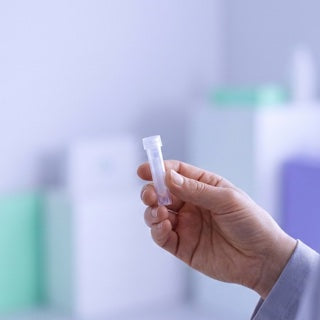 25-OH vitamin D
The storage form of vitamin D in the blood
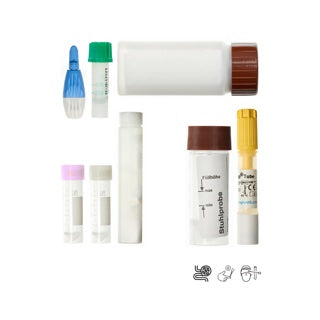 Laboratory analysis
Determined by a partner laboratory, value in nmol/l
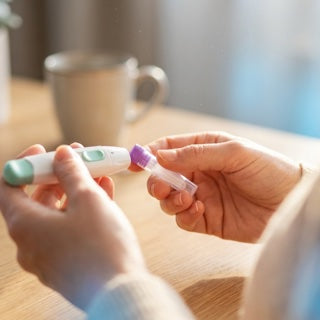 Sample collection at home
600 µl capillary blood from the fingertip
 Results consultation included
Evaluation by the ORY expert team
Principle
Measure first, then decide
Without measured values, any treatment is guesswork. We turn the order around: first the lab report, then the decision.

-
01
Measure 25-OH vitamin D from 600 µl capillary blood, analysed at the partner laboratory in Germany.Vitamin D3 Selbsttest · capillary blood, 600 µl · 7–21 days from sample arrival
-
02
See where you stand Every value appears in the lab report with the laboratory's reference range. You can see which values fall inside it and which do not.Lab report including a results consultation
-
03
Targeted instead of general Instead of a standard package you take what your values point to — agreed with the ORY expert team or with your doctor or naturopath.Initial consultation 10 minutes, free
-
04
Measure again after a few months The same analysis a second time shows how the values have changed.Earliest sensible interval: 3 months


Ory experts are there for you
All along the way, doctors and Heilpraktiker from the Ory team are there for you — with your lab report and everything after it.
What a value means and whether a supplement might be an option for you is something to discuss with the ORY expert team or with your doctor or naturopath. This page makes no recommendation and is no substitute for medical assessment.
Details
What this analysis covers
What is measured
One value from capillary blood: 25-OH vitamin D, the storage form of vitamin D.
The biomarker reference explains what lies behind the numbers: how values interact, which cofactors are involved and which biochemical processes take place in the body — for all values and areas, not only this analysis.
To the biomarker referenceThe values in detail
Vitamin D too low – what does a low 25-OH vitamin D value mean?
The test measures 25-OH vitamin D (calcidiol), the storage form of vitamin D in the blood. It is regarded as the usual marker of vitamin D status (PubMed 29141976, PubMed 21646368). A low value shows that little stored vitamin D is present in the blood.
Low values are common in Germany: in the nationwide DEGS1 study by the Robert Koch Institute, 61.6% of adults were below 50 nmol/l and 30.2% below 30 nmol/l; values were clearly lower in winter than in summer (PubMed 26162848). Long-lasting, severe deficiency can lead to rickets in children and to softening of the bones (osteomalacia) in adults (PubMed 17634462, PubMed 26745253). Professional societies define the threshold for "deficiency" differently; the report states the reference range of the laboratory that carried out the analysis.
Vitamin D too high – when is the value too high, and what are the symptoms?
Vitamin D toxicity is rare. It usually results from long-term intake of very high-dose supplements and causes complaints through a raised calcium level (hypercalcaemia). The symptoms described most often are confusion, apathy, repeated vomiting, abdominal pain, frequent urination, strong thirst and dehydration. 25-OH vitamin D values above 375 nmol/l (150 ng/ml) are typical of overdosing (PubMed 30294301).
A value above the laboratory's reference range should be assessed by a doctor, especially if you take vitamin D supplements or have any of these complaints.
What does 25-OH vitamin D mean – and why nmol/l or ng/ml?
The liver converts vitamin D into 25-OH vitamin D (calcidiol), the storage form in the blood. The active form, 1,25-dihydroxyvitamin D (calcitriol), is produced mainly in the kidney and is not suitable for assessing vitamin D status (PubMed 17634462).
The value is given in two units: 1 ng/ml corresponds to 2.5 nmol/l. Your report states the value in nmol/l. When comparing values from different laboratories, check the unit – otherwise identical values look very different.
Vitamin D and calcium – how are they connected?
Vitamin D controls how much calcium the gut absorbs from food. If vitamin D is lacking, less calcium is absorbed; the body compensates via parathyroid hormone and draws calcium from the bones. In the long run this can weaken the bones (PubMed 17634462).
With overdosing it is the other way round: too much vitamin D can raise the calcium level in the blood. This test measures only 25-OH vitamin D, not calcium or parathyroid hormone.
Understanding vitamin D
What is vitamin D – explained simply?
Most vitamin D is produced in the skin when UVB radiation from the sun reaches it. Only a few foods contain notable amounts, such as oily fish. Strictly speaking, vitamin D is more of a hormone precursor: the body converts it into its active form in several steps (PubMed 17634462).
Its role for calcium balance, bones and muscles is best established. Vitamin D receptors are also found in many other tissues, for example in immune cells; what this means for health is still being researched (PubMed 38828931).
Causes – why do many people have low vitamin D levels in winter?
In Germany, UVB radiation from about October to March is barely sufficient for the skin to produce vitamin D. In the DEGS1 study, lower values were associated with, among other things, examination in winter, living in the north, little exercise, a higher body mass index and not taking vitamin D supplements (PubMed 26162848).
Other known influences are older age, dark skin, little time outdoors, covering clothing, conditions in which fat is poorly absorbed, and some medications (PubMed 17634462, PubMed 21646368).
Vitamin D test: blood from the finger or at the doctor's?
With this test you collect capillary blood from your fingertip at home and fill a CapiSave tube up to the 600 µl mark. The partner laboratory determines 25-OH vitamin D with an immunoassay (ELISA/CLIA) – the same marker that is measured from venous blood at a doctor's practice.
Measurement methods differ between laboratories, which is why work is ongoing to standardise 25-OH vitamin D measurement (PubMed 29141976). For comparisons over time it helps if values come from the same laboratory. Careful sampling matters: squeezing or residual alcohol on the finger can distort the sample.
What do the guidelines say – does a vitamin D test make sense?
In 2011, the Endocrine Society recommended measuring 25-OH vitamin D in people at increased risk of deficiency, but saw insufficient grounds for screening people without risk (PubMed 21646368). In its 2024 guideline it advises against routine testing in the general population, because studies showed no benefit of such screening and an optimal target level for disease prevention could not be defined (PubMed 38828931).
A test can still be a basis for a conversation, for example if there is a risk or you want to know your value while taking a supplement. Whether a measurement makes sense for you can be clarified with the ORY expert team or with your doctor or naturopath, for example from the ORY expert network.
When is the best time for a vitamin D test?
Vitamin D levels vary with the seasons: they are usually higher after summer and lower after winter (PubMed 26162848). A single value is therefore a snapshot. If you want to compare values over time, it is best to measure at the same time of year and in the same laboratory.
The time of day does not matter for 25-OH vitamin D, and you do not need to fast.
Complaints and medical assessment
Vitamin D deficiency symptoms – which complaints are described?
Research associates vitamin D deficiency with the following complaints and conditions, with varying strength of evidence:
- Bone pain and muscle weakness due to softening of the bones (osteomalacia) in pronounced, long-lasting deficiency: well documented (PubMed 17634462).
- Rickets in children with bone deformities and impaired growth: well documented (PubMed 26745253).
- Lower bone density and a higher risk of fractures, especially in older age: observed in studies (PubMed 17634462).
- More frequent respiratory infections: in an analysis of individual data from trials, acute respiratory infections occurred somewhat less often with vitamin D, more clearly with very low baseline levels (PubMed 28202713).
- Fatigue, mood, cardiovascular health and metabolism: associations with low values have been described, but a cause-and-effect relationship has not been shown for many of them – under discussion (PubMed 38828931).
These are associations from studies and textbook knowledge, not causes in an individual person. A blood test cannot explain complaints and does not provide a diagnosis. Persistent complaints should first be assessed by a doctor.
When should I see a doctor first?
With persistent bone or muscle pain, increasing muscle weakness, fractures without an adequate accident, or in children with bowed legs, growth problems or delayed development, the first step is a doctor's or paediatrician's practice, not a self-test.
Vomiting, strong thirst, very frequent urination or confusion should be checked by a doctor immediately, especially if you take high-dose vitamin D supplements. With kidney, liver or bowel diseases, after gastrointestinal surgery, during pregnancy and with medication that affects bone metabolism, the question of vitamin D belongs in medical care.
Can vitamin D deficiency be corrected?
This page does not recommend supplements, diets or therapies. Whether a value means anything at all and which steps make sense depends on your overall situation: complaints, previous illnesses, medication and diet. Too much vitamin D can also be harmful (PubMed 30294301); supplements and doses therefore belong in professional guidance.
What makes sense for you belongs in a conversation with the ORY expert team or with your doctor or naturopath, for example from the ORY expert network. The results consultation is included in the price.
Who it is for, process and costs
For whom
The vitamin D test is for anyone who wants their 25-OH vitamin D value determined from capillary blood. Whether the measurement suits you can be clarified in the free initial consultation with the ORY expert team or with your doctor or naturopath, for example from the ORY expert network.
What a single value means in your situation is something to discuss with the ORY expert team or with your doctor or naturopath, for example from the ORY expert network. It does not replace medical assessment.
What do I need to consider before the vitamin D test?
You do not need to fast. Drink enough water beforehand and warm your hands well, for example under warm water or by rubbing them. Clean your middle or ring finger with the alcohol swab and let the alcohol dry completely. Prick the side of the fingertip, wipe away the first drop of blood and fill the CapiSave tube up to the 600 µl mark without squeezing the finger.
If you take vitamin D supplements, you can still do the test; state your intake on the request form. Do not store the sample in heat or sunlight, and send it only from Monday to Thursday, not before public holidays.
How it works
Four steps from order to lab report.
- 01 Kit arrives Ships the next working day, postage paid to your door.
- 02 Take the blood 600 µl capillary blood with the lancet provided.
- 03 Send it in Send it in the postage-paid envelope.
- 04 Get your lab report 7–21 days after the sample arrives, with a discussion included.
Instructions
The essentials first:
- Warm your hand up well first, clean the finger with an alcohol swab and let it dry.
- Prick the side of the fingertip and fill the tube with 600 µl capillary blood.
- Close the tube firmly and send it in the postage-paid envelope.
Please read the instructions carefully. Correct preparation matters: it is what allows your sample – stool, urine, saliva or blood – to be evaluated cleanly and meaningfully.
View full illustrated instructions
How long until I get the result?
Analysis usually takes 7–21 days from the arrival of the sample at the laboratory. As soon as your report is ready, we let you know. A results consultation with the ORY expert team is included in the price.
What does the vitamin D test cost, and does health insurance pay?
The vitamin D3 test costs €39.90 including VAT, shipping, return postage and results consultation.
Statutory health insurance in Germany generally does not cover a vitamin D test you order yourself. Whether there is a medical reason for a covered measurement in your case is something your doctor's practice can clarify. With private insurance, reimbursement may be possible; how it works is described under "Reimbursement by private insurance".
Reimbursement by private insurance
For possible reimbursement by your private insurer, this is how it works with us:
Many private insurers cover the cost in full or in part – some not at all. That depends entirely on your policy. We support you through the process as best we can.
Sending your sample back
So that your sample reaches the laboratory safely, please follow the rule for your country.
| Country | Postage | Shipping |
|---|---|---|
| Germany | Already paid | Return postage is prepared, you do not need a stamp. |
| Austria | Add your own postage | To our address in Vienna, not to Germany. |
| Switzerland | Add your own postage | Separate return bag for Switzerland, sent to Germany. |
| Rest of Europe | Add your own postage | Sent to Germany. |
In short: Germany, everything is ready. Austria, add postage and send to Vienna. Switzerland, add postage, special bag, send to Germany. Rest of Europe, add postage and send to Germany.
Family and partner diagnostics
Testing together shows connections that a single analysis does not reveal. We need three things for that.
From three tests of the same analysis for the family you get 10 % off. Write to us and you will receive your own discount code.
Send an email
Which vitamin test suits me?
The vitamin D3 test (€39.90) measures only 25-OH vitamin D. The basic vitamin check (€98.50) also measures vitamin B12, folic acid, vitamin E and coenzyme Q10; for children from about 3 years there is the vitamin check for children & adolescents (€106.50). The OM Vital blood test (€205) combines vitamins with blood lipids, liver and kidney values, hs-CRP and TSH. For minerals there is the whole blood mineral analysis (€75).
Which scope makes sense for you can be clarified in the free initial consultation.
Also relevant
Similar analyses
More in depth, or with a different focus.

Which analysis suits you is best discussed in the initial consultation. See all analyses
Supplements
Supplements for the areas this analysis covers
Which product suits you, and in what amount, is something you discuss with the ORY expert team or with your doctor or naturopath after your lab report. This page recommends nothing.


Food supplements are no substitute for a balanced diet. The full range: Supplements
Orientation
What happens next
Five routes, independent of this analysis. The same on every product page.
ORY Berlin sells analyses and products. What a lab report means for you is something a non-medical practitioner or a doctor tells you, not this page.