

Sports Profile - ORY Analysis


Why diagnostics in sports makes sense
- Optimising energy metabolism – looking at micronutrients and the metabolic steps that matter for endurance, strength and concentration.
- Improving nutrient supply – spotting shortfalls in vitamins, minerals and amino acids that affect muscle building and performance.
- Supporting muscle recovery – identifying factors that may improve recovery, protein synthesis and cell regeneration.
- Preventing overload and injury – early detection of inflammatory processes, oxidative stress or hormonal imbalance.
- Individual training and nutrition strategies – measured values allow personalised recommendations for training, diet and supplementation.

Goal of sports diagnostics
Athletic performance is not solely a result of training – it is heavily dependent on metabolism, nutrient supply, and regeneration. Modern laboratory diagnostics help to better understand and specifically optimize these processes.
Targeted sports diagnostics can analyze important factors that influence energy production, muscle regeneration, and resilience.
Diagnostics help to understand one's own body more precisely and to strengthen it specifically.
By analyzing central biomarkers, training processes can be better managed and physical resources can be used efficiently. This enables:
- sustainable performance enhancement
- improved regeneration
- long-term health and resilience
Sports diagnostics thus combine training, nutrition, and biochemical analysis – providing a solid foundation to achieve athletic goals healthily and effectively.
Analysis - blood tests


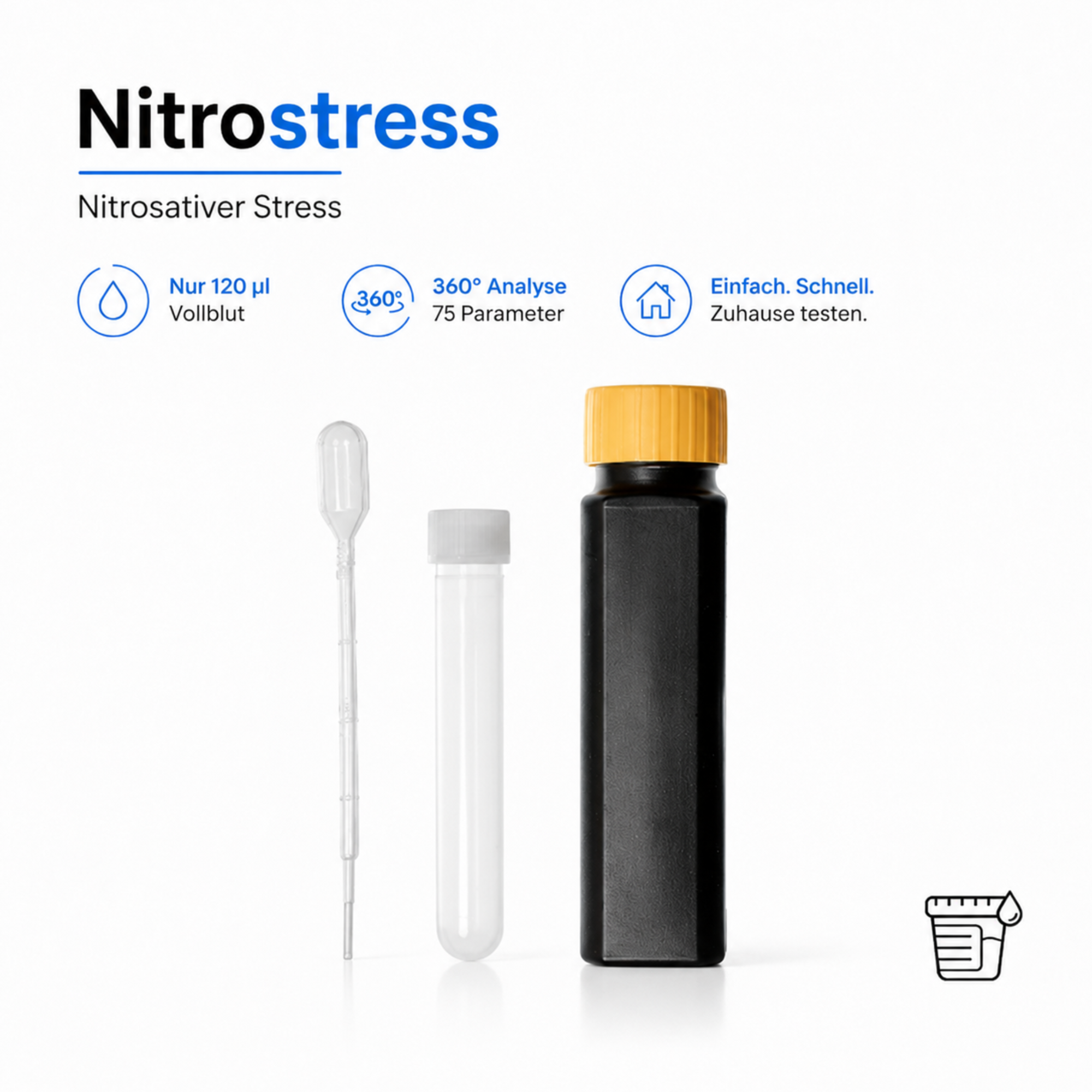
Nitrostress - Nitrosative stress

Cooperation for Sports Trainers & Coaches – ORY Analysis
Do you work as a sports coach, personal trainer, or in competitive or health-related sport? Modern laboratory diagnostics can extend what you offer.

Sports Trainers & Coaches – Diagnostics as an Advantage for Your Training
With ORY Analysis, you gain access to precise health and performance diagnostics that make training, regeneration, and nutrient supply measurable. This allows you to provide more individualized support to your athletes and clients and base training programs on scientific evidence.
Benefits of working with us:
- Expansion of your services through modern laboratory diagnostics
- Individual analysis of energy, nutrient, and regeneration status
- Support in preventing overtraining and injuries
- Access to easy-to-understand laboratory reports and expert support
Register with us and become part of the ORY partner network for sports and health. Together, we support people in developing their performance sustainably and healthily.