
Prevention, Longevity, and Functional Medicine.
+49 3055275010

In our hectic world, many people are looking for ways to manage stress and improve their health. Massage is one of the oldest and most proven methods for promoting both physical well-being and mental relaxation. Yet, the effects of massage extend far beyond what many expect. It can deeply affect the mechanisms of our nervous system, muscles, and tissues, initiating processes that are helpful for back and neck pain, as well as complex conditions such as intestinal problems or nitrosative stress.


In this article, you'll learn how massage activates the important parasympathetic nervous system, what role it plays before detoxification, and how it can help with specific problem areas such as the neck, back, and intestines.

The Parasympathetic Nervous System: Why Relaxation is Key


The parasympathetic nervous system is part of our autonomic nervous system and is responsible for regeneration, digestion, and relaxation. It is often described as the counterpart to the sympathetic nervous system, which puts the body on alert. While stress and overload dominate the sympathetic nervous system, activating the parasympathetic nervous system can lead to profound health benefits:

  • Reduction of stress hormones: Massage stimulates the vagus nerve, an important component of the parasympathetic nervous system. Studies show that this leads to a decrease in cortisol, a major stress hormone.

  • Improvement of heart rate variability: Higher heart rate variability is a marker of good adaptability of the nervous system and is promoted by massage.

  • Deep breathing and muscle relaxation: By activating the parasympathetic nervous system, breathing becomes calmer and deeper, which in turn reduces muscle tension.

Massage not only creates a feeling of well-being, but also lays the foundation for healing processes throughout the body.

Tissue massage before detoxification: Why the right timing matters


Detoxification is an essential process for ridding the body of harmful substances. But before beginning an intensive detoxification, the tissue should be optimally prepared. Why?

  • Releasing adhesions: Fascia, the connective tissue network that surrounds our muscles, can become stuck together due to stress, lack of exercise, or injury. Targeted tissue massage releases these adhesions and improves the flow of lymph and blood.

  • Activating lymphatic drainage: The lymph plays a crucial role in the removal of toxins. Through gentle pressure techniques, the massage can stimulate lymphatic flow and thus facilitate detoxification.

  • Improved blood circulation: Better blood circulation brings more oxygen and nutrients to the tissue and helps to remove waste products more effectively.

Without this preparation, toxins can become trapped in the tissue and even worsen symptoms. Massage before a detox is like clearing the path before a cleaning crew arrives.

Back and neck pain: The underestimated connection to the gut


Back and neck pain are among the most common complaints in our society. However, many people don't realize that this pain often has more than just muscular causes, but can also be related to intestinal problems.
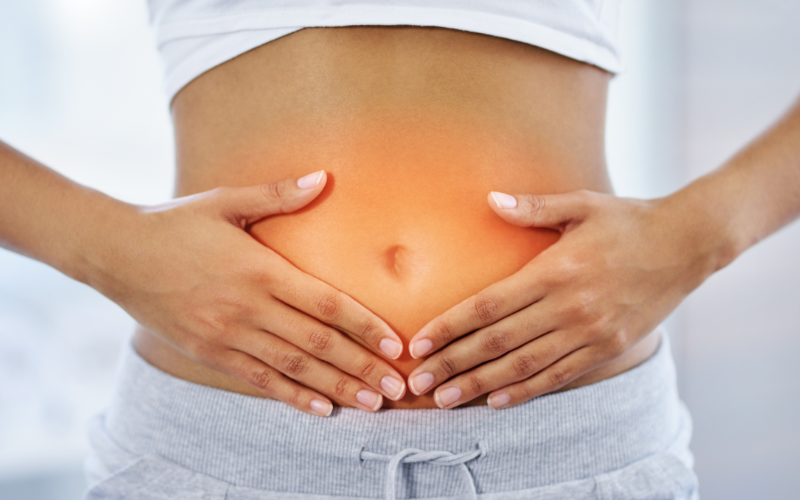
Woman in sportswear puts her hands calmingly on her stomach
  • The role of the enteric nervous system: Our gut has its own nervous system, the so-called gut brain. Stress or malfunctions in the gut can send signals to the back muscles, triggering tension there.

  • Microbiome and inflammation: A disrupted microbiome can promote chronic inflammation, which affects muscles and joints. Massage can help indirectly by activating the parasympathetic nervous system and improving digestion.

There is also a close connection between the sacral muscles and intestinal function. Tension in the lumbar spine can impair blood flow to the abdominal cavity, which in turn disrupts intestinal motility. Targeted massage techniques can break this vicious cycle.


Neck pain and nitrosative stress: A vicious circle


Neck pain is often the result of stress, poor posture, or overexertion. But it can also have a biochemical cause: nitrosative stress. This occurs when the balance between free radicals and antioxidants is disturbed, particularly due to an overproduction of nitrogen compounds such as peroxynitrite.

  • The role of stress: Chronic stress increases the production of free radicals. At the same time, the constant tension in the neck muscles constricts the blood vessels, which impairs oxygen supply.

  • Consequences of nitrosative stress: This condition can damage nerves and muscles, leading to pain and limited mobility.

  • How massage helps: By improving circulation and relieving tension, massage can help normalize metabolism in affected areas. At the same time, it promotes the production of endorphins, which have anti-inflammatory effects.
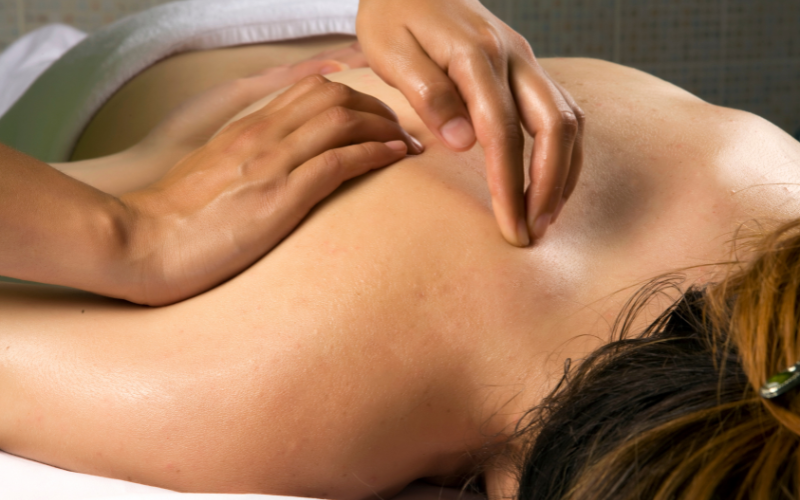
Patient receives a neck and back massage

Massage as a holistic approach


Massage is far more than a wellness treatment. It's a holistic tool that works on multiple levels:

  1. Physically: It improves blood circulation, relaxes muscles and supports detoxification.

  2. Nervous: It activates the parasympathetic nervous system, reduces stress and improves regeneration.

  3. Mental: It creates a feeling of security and relaxation that enables profound healing processes.

Especially in combination with other approaches such as nutrition, exercise and targeted relaxation techniques, massage can make a decisive contribution to health promotion.

Practical tips for everyday life

  • Regular massages: Even short self-massages or professional treatments once or twice a month can work wonders.

  • Breathing exercises: Combine massage with breathing techniques to activate the parasympathetic nervous system.

  • Stress reduction: Find ways to slow down your daily routine – be it through meditation, yoga or walks.

Massage is an art and science that considers the person as a whole. Whether it's back problems, intestinal discomfort, or nitrosative stress, it can help release blockages, create balance, and promote healing.

Try it out and experience how profound the effects of a good massage can be!

Viele Menschen fühlen sich heute ständig erschöpft, haben Schmerzen, schlafen schlecht oder merken, dass ihr Körper nicht mehr so regeneriert wie früher. Sie trainieren vielleicht sogar, achten ein bisschen auf ihre Ernährung – und trotzdem fehlt die Kraft, es geht nicht voran. Was viele nicht wissen: Der Körper befindet sich oft in einem Zustand, den man als „katabol“ bezeichnet. Das bedeutet, dass er überwiegend im Abbau-Modus läuft – statt im Aufbau.

Im Körper gibt es zwei grundlegende Funktionszustände: anabol und katabol. Der anabole Zustand steht für Aufbau, Regeneration, Heilung und Erneuerung. Hier werden Muskeln aufgebaut, Hormone gebildet, beschädigte Zellen repariert. Das ist der Zustand, in dem wir uns nach Belastung erholen, in dem wir gesünder, stärker und widerstandsfähiger werden. Der katabole Zustand dagegen steht für Abbau – hier stellt der Körper auf Energiegewinnung durch den Abbau eigener Reserven um. Das ist kurzfristig sinnvoll, zum Beispiel bei akutem Stress, beim Fasten oder intensiver körperlicher Belastung. Problematisch wird es dann, wenn der Körper dauerhaft in diesem Abbau-Modus bleibt – und genau das ist heute bei sehr vielen Menschen der Fall.

Ein Hauptgrund dafür ist chronischer Stress. Ob beruflicher Druck, ständige Erreichbarkeit, innere Unruhe oder ungelöste emotionale Themen – all das hält das Nervensystem im sogenannten Sympathikus-Modus, also im „Kampf- oder Fluchtprogramm“. Der Körper schüttet dabei vermehrt Cortisol aus, ein Stresshormon, das in hoher Dosis langfristig den Muskelaufbau hemmt, den Schlaf stört und Entzündungen im Körper fördert. Das hat direkte Auswirkungen: Muskeln werden abgebaut, Gelenke regenerieren langsamer, das Immunsystem wird geschwächt.

Auch Schlafmangel spielt eine große Rolle. Denn im Tiefschlaf laufen die wichtigsten anabolen Prozesse ab. Wachstumshormone werden ausgeschüttet, Zellen repariert, Gewebe aufgebaut. Wer schlecht schläft – oder zu wenig –, verliert Nacht für Nacht kostbare Regenerationszeit. Das kann langfristig zu Muskelabbau, hormonellen Störungen und chronischer Erschöpfung führen.

Ein weiterer, oft übersehener Faktor ist Bewegungsmangel. Wer sich im Alltag zu wenig bewegt, gibt dem Körper keine Reize für den Aufbau. Die Muskulatur wird nicht ausreichend beansprucht, was den Körper in den katabolen Zustand drängt. Gleichzeitig fehlt die Bewegung, um den Stoffwechsel zu aktivieren, den Lymphfluss anzuregen und das Nervensystem zu regulieren. Der Körper verfällt in eine Art „Stillstand“, der mit echtem Erholen nichts zu tun hat.

Und dann ist da noch das Thema Ernährung und Mikronährstoffmangel. Unsere Zellen brauchen Eiweiß, Vitamine, Mineralstoffe und gesunde Fette, um zu reparieren und neu aufzubauen. Fehlen diese Bausteine – etwa durch einseitige Ernährung, häufige Diäten oder schlechte Aufnahme im Darm –, dann fehlt dem Körper schlichtweg das Material, um gesund zu bleiben. Gerade ältere Menschen oder Menschen mit chronischen Entzündungen haben oft eine sogenannte Anabolresistenz – das heißt, selbst wenn der Körper Reize bekommt, kann er nicht mehr gut auf sie reagieren, weil ihm die richtigen Bedingungen fehlen.


Dazu kommt: Viele Menschen leiden unter stillen Entzündungen, die sich im Körper unbemerkt ausbreiten. Diese Entzündungen blockieren wichtige Aufbauprozesse und halten den Körper zusätzlich im Abbau. Typische Ursachen dafür sind ein durchlässiger Darm, Zucker, Transfette, Umweltgifte und chronischer Stress.

Wenn all diese Faktoren zusammenkommen, verliert der Körper nach und nach seine Fähigkeit, sich zu regenerieren. Muskeln wachsen nicht mehr, Gelenke heilen schlecht, die Haut altert schneller, Haare fallen aus – selbst das Denken wird schwerer. Die Energie fehlt, die Kraft lässt nach, die Lebensfreude schwindet.

Aber das muss nicht so bleiben. Die gute Nachricht ist: Der Körper kann zurück in den Aufbau finden – wenn wir ihm die richtigen Bedingungen schaffen. Das bedeutet vor allem, den chronischen Stress zu reduzieren, wieder gut und tief zu schlafen, uns regelmäßig zu bewegen – aber mit Maß und mit gezieltem Muskelreiz – und dem Körper alle nötigen Nährstoffe zur Verfügung zu stellen. Dazu gehört auch, Entzündungen zu erkennen und zu behandeln, zum Beispiel über die Darmgesundheit, eine entzündungsarme Ernährung und gezielte Mikronährstofftherapie.

In der funktionellen Medizin spricht man hier von einer integrativen Strategie: Wir schauen nicht nur auf einzelne Symptome, sondern auf das große Ganze. Wir stärken das vegetative Nervensystem, fördern den Energiestoffwechsel in den Mitochondrien und unterstützen die Entgiftungssysteme des Körpers. So können sich Körper, Geist und Emotionen wieder ins Gleichgewicht bringen – und Regeneration wird wieder möglich.

Wenn der Körper wieder in den anabolen Zustand zurückfindet, erholt sich nicht nur die Muskulatur. Auch die Gelenke, das Bindegewebe, das Immunsystem und sogar unsere mentale Klarheit profitieren. Es ist ein Zeichen dafür, dass der Mensch nicht mehr nur „überlebt“, sondern wirklich lebt.

Ein Körper, der im Dauerstress ist, kann nicht aufbauen. Er braucht Ruhe, Nahrung, Bewegung – aber im richtigen Maß. Erst dann kann er regenerieren, Muskeln aufbauen, Gelenke heilen und Kraft zurückgewinnen.

Catabolic = breakdown | Anabolic = build-up
The body constantly oscillates between these two states:

  • Catabolic: Stress, fasting, overtraining, inflammation, nutrient deficiency → muscle breakdown, cellular stress
  • Anabolic: Regeneration, deep sleep, muscle building, healing, cell repair. These phases alternate in a healthy balance.

But many people today are permanently catabolic:

  • Chronic stress (cortisol) inhibits anabolic signaling pathways (e.g. mTOR).
  • Inflammation triggers catabolic processes.
  • Insulin resistance, lack of exercise and malnutrition block anabolic stimuli.
  • In old age, anabolic resistance also occurs – the body no longer responds sufficiently to building stimuli.

What can you do? – Ways back to the rebuilding state

Hier hilft die funktionelle Medizin – sie fragt: Was blockiert den anabolen Zustand?

Und wie können wir gezielt wieder in die Regeneration kommen?

Dazu gehören:

(Atemübungen, Natur, Schlafrituale)
(Muskelreize, aber nicht zu viel – weniger ist oft mehr!)
(z. B. Magnesium, B-Vitamine, Aminosäuren, Omega-3)
(Darmgesundheit, entzündungsarme Ernährung)
(mind. 7–8 Stunden, Schlafhygiene, Abendrituale)


1. Movement with building impulse

  • Strength training (progressive) activates mTOR and IGF-1 – both anabolic signaling pathways.
  • Short, intense, regenerative – not too much (avoiding training stress).

2. Eat protein-rich food – with rhythm

  • High-quality amino acids (especially leucine, glutamine, glycine).
  • Protein-dense meals in anabolic time windows (e.g. after training or in the morning).
  • HMB, Collagen, Creatine, BCAAs, Ashwagandha, Zinc, Magnesium, Omega-3
  • mTOR activators: insulin (targeted!), leucine, resistance training

Anabolic substances: The solution: Back to building mode

3. Mikroentzündungen senken

  • Silent Inflammation hemmt anabole Signalwege und fördert Muskelabbau.

Maßnahmen:

  • Entzündungshemmende Ernährung (Omega-3, Curcumin, Polyphenole)
  • Darmgesundheit: Leaky Gut vermeiden

Entgiftung stärken: Glutathion, Bitterstoffe, Lymphfluss

4. Autonomes Nervensystem umschalten

  • Aufbau geschieht im Parasympathikus.
  • Wege dahin:
  • Atemübungen, Meditation, Vagusnerv-Stimulation
  • Biofeedback, Kältetherapie, Naturkontakt

Integration of functional medicine

Use this text to share information about your brand with your customers. Describe a product, share announcements, or welcome customers to your store.

Rich text

1. Vegetatives Nervensystem

  • Dauerstress hält uns im Sympathikus (katabol).
  • Nur im Parasympathikus kann der Körper aufbauen: Schlaf, Verdauung, Zellheilung.

2. Mitochondrien & Energiestoffwechsel

  • Mitochondrien sind zentrale Player im Aufbau.
  • Anabole Phasen erfordern Energie – ohne ATP kein Zellaufbau.
  • Unterstützung: Q10, NADH, B-Vitamine, Carnitin, gezielte Ketose/Carb-Zyklen3.

Entgiftung Toxische Last hält das System katabol.

  • Glutathion, Schwefelverbindungen, Fastenzyklen aktivieren Autophagie – helfen beim Übergang zur anabolen Regeneration.

Bewusstsein & Beziehung Wer im Katabolismus feststeckt, erlebt oft auch mentalen Abbau: Ängste, Reizbarkeit, Antriebslosigkeit.

  • Ein bewusst gestaltetes anaboles Leben (Bewegung, gutes Essen, Entspannung) stärkt nicht nur den Körper – es führt zu einem klareren Geist und mehr Selbstvertrauen.
  • In Beziehungen zeigen sich Unterschiede sofort: Menschen im Aufbau-Modus sind kreativer, zugewandter, leistungsfähiger.

Die wichtigsten Punkte:

Katabolismus dominiert bei chronischem Stress, Entzündung, Mangel.

Anaboler Aufbau braucht gezielte Reize, Proteine, Parasympathikus-Aktivierung.

Funktionelle Medizin liefert Tools zur Diagnostik und gezielten Intervention.Du bist nicht für den Dauerstress gemacht – dein Körper will wachsen, heilen und sich erneuern. Gib ihm die Chance dazu: mit achtsamer Bewegung, nährender Ernährung, innerer Ruhe. Jeder Muskel, jede Zelle, jedes Gefühl kann wieder in den Aufbau kommen.

Latest Stories

This section doesn’t currently include any content. Add content to this section using the sidebar.