


It consists of three essential aspects: chronological, biological and emotional age.
Age is a fascinating and complex phenomenon that goes far beyond simply counting years. It is comprised of three essential aspects: chronological, biological, and emotional age. Each of these aspects contributes in its own way to how we perceive ourselves and how we are perceived by those around us.
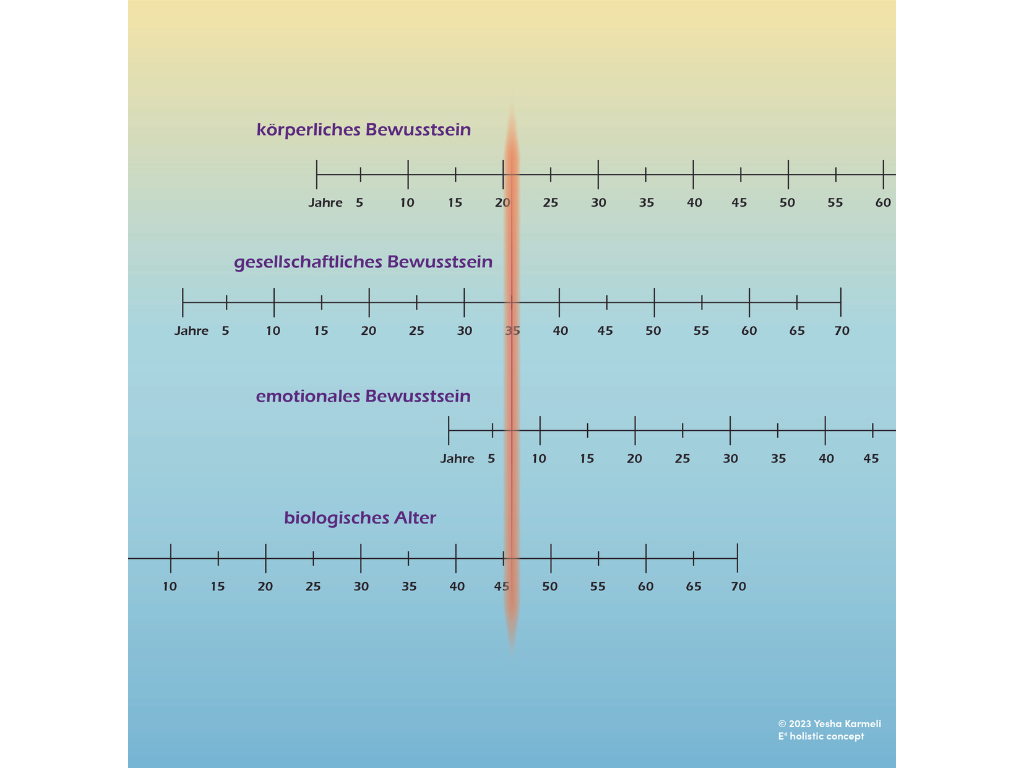
Healthy and Happy Aging: The Three Dimensions of Age and Their Influence on Longevity and Self-Realization
-
Chronological age: The unchanging time
Chronological age is the simplest and most easily measurable dimension of age. It refers to the number of years that have passed since our birth. This age is a fixed value and marks the various life stages we go through—from childhood through adulthood to old age. Chronological age influences many societal expectations and norms, but it provides only limited insight into our actual quality of life and well-being.
2. Biological age: The vitality of our body
In contrast to chronological age, biological age reflects the condition and vitality of our body. It is a dynamic quantity influenced by a variety of factors, including our genetics, lifestyle habits, diet, and environmental conditions. A person may be chronologically 50 years old, but biologically appear younger or older, depending on how well they take care of their body. Biological age is therefore an indicator of our physical health and overall well-being.
3. Emotional Age: The Maturity of Our Soul
Emotional age refers to our inner maturity and our ability to cope with life's emotional challenges. It is less tangible than chronological or biological age, but equally significant. Our emotional age is shaped by our experiences, our self-image, and how we deal with conflict, stress, and relationships. People can be more or less emotionally mature than their chronological age suggests, which is reflected in their behavior, self-perception, and interpersonal interactions.
The modifiability of our biological and emotional age: A path to a more fulfilling life
While chronological age is immutable, biological and emotional age offer us scope for positive change. These two aspects can be influenced through conscious living and inner work, which promotes not only our physical health but also our emotional well-being. In this article, we will explore the influence of epigenetics, the importance of healthy lifestyle habits and emotional management, and the power of positive thinking.
Epigenetics: The control of our genes through lifestyle and environment
Our genes are the fundamental inheritance we receive from our parents. They determine many aspects of our biological age, but contrary to previous beliefs, they are not our destiny. The field of epigenetics shows that our lifestyle and environmental conditions can influence how our genes are activated or deactivated. Epigenetic mechanisms control which genes are "turned on or off" at specific times in our lives, and these processes depend on factors such as diet, stress, sleep, and physical activity.
For example, an unhealthy diet rich in sugar and processed foods can promote epigenetic changes that increase the risk of chronic diseases such as diabetes or cardiovascular disease. On the other hand, a balanced diet rich in antioxidants and essential nutrients can support protective epigenetic modifications that keep our cells healthy and rejuvenate our biological age.

Healthy lifestyle habits: The five pillars of well-being
Healthy lifestyle habits: The five pillars of well-being
Our daily habits play a crucial role in how our biological age develops. Five key aspects are particularly important:
-
Nutrition : A balanced and nutrient-rich diet is the foundation for healthy aging. It provides the body with the necessary vitamins, minerals, and antioxidants essential for cell regeneration and immune function. Avoiding processed foods, sugar, and excessive consumption of saturated fats can slow the aging process.
-
Exercise : Regular physical activity is essential for maintaining muscle mass, strengthening the cardiovascular system, and regulating metabolism. Exercise promotes blood circulation, supports the reduction of stress hormones, and has a positive effect on mood. Even moderate exercise, such as daily walks or light strength training, can significantly reduce biological age.
-
Sleep and activation of the autonomic nervous system : Restful sleep is essential for the regeneration of the body and brain. During sleep, cells are repaired, hormones are regulated, and the immune system is strengthened. In addition, the balance between the sympathetic and parasympathetic nervous systems, the two main branches of the autonomic nervous system, plays a crucial role. A balanced alternation between activity (sympathetic) and relaxation (parasympathetic) is essential for maintaining our vitality and slowing biological aging. Chronic sleep deprivation and persistent overactivation of the sympathetic nervous system can accelerate the aging process and increase the risk of various diseases.
-
Self-actualization and emotional balance : Achieving personal goals and pursuing hobbies and interests not only contributes to emotional well-being but also has a positive impact on biological age. Emotional balance, achieved through healthy conflict resolution and stress management, is crucial for a long and fulfilling life. People who realize their full potential and find their purpose in life often demonstrate a higher quality of life and more robust health.
-
Nutrient supply and detoxification : The intake of essential nutrients, such as vitamins, minerals, and trace elements, is crucial for our body's proper functioning. A lack of these nutrients can lead to premature aging and health problems. Furthermore, detoxification of harmful substances such as heavy metals and chemicals is crucial. Targeted support of the detoxification organs—particularly the liver and intestines—can help reduce the accumulation of harmful substances and promote long-term health. A varied diet, supplemented by targeted nutritional supplements and regular detoxification measures, can help prevent deficiencies and rejuvenate biological aging.
Emotional Age: The Art of Dealing with Emotions and Conflicts
While our biological age is influenced by our lifestyle, our emotional age determines how we cope with life's ups and downs. It reflects our ability to recognize, understand, and express emotions in a healthy way. Here are some aspects that are important for a mature emotional age:
-
Positive thinking : Consciously trying to avoid negative thought patterns and focus on positive thoughts can significantly improve emotional well-being. Positive thinking builds resilience and helps you face challenges with a more optimistic and constructive attitude.
-
Dealing with conflict : Conflicts are inevitable, but the way we deal with them can significantly influence our emotional age. Mature people tend to resolve conflicts constructively by honestly communicating their feelings and seeking collaborative solutions. Immature behavior, on the other hand, manifests itself in aggression, withdrawal, or denial of problems.
-
Self-esteem : Strong self-esteem is the foundation for a balanced emotional life. It means accepting and respecting oneself, regardless of external circumstances or the opinions of others. Healthy self-esteem allows us to set clear boundaries and assert ourselves honestly in social relationships.
-
Self-love and emotional honesty : Self-love is the ability to love and accept oneself unconditionally. It goes hand in hand with emotional honesty, the willingness to recognize and express our true feelings. People who love themselves and live their emotions honestly are often happier, less stressed, and more emotionally stable.
-
Meditation and relaxation : Regular meditation and relaxation exercises help reduce stress and promote emotional balance. They help release negative thoughts and cultivate a sense of inner peace.
-
Setting and achieving goals : Incorporating positive goals into our daily lives and courageously facing challenges strengthens our emotional maturity. By focusing on positive tasks and striving to achieve them, we develop a sense of fulfillment and self-confidence.
Three exercises to improve emotional and biological age

Mindfulness practice and meditation, positive self-reflection and goal setting & physical exercise in nature and detox rituals
-
Mindfulness practice and meditation : Mindfulness exercises, such as meditation or conscious breathing, help calm the mind and establish a deeper connection with our emotions. This practice not only supports our emotional balance but also has a positive impact on biological aging by reducing stress and promoting cellular health. Regular mindfulness practice can help reduce reactivity to stressors and build resilience to everyday challenges.
-
Positive self-reflection and goal setting : Take time every day to reflect on your successes, strengths, and positive qualities. This practice builds self-esteem and promotes healthy emotional maturity. In addition, you should regularly set positive and realistic goals. Consciously focusing on achieving these goals strengthens your sense of self-efficacy and satisfaction. It can be helpful to write down these goals and document your progress to make your own development visible.
-
Physical exercise in nature and detox rituals : Combine physical exercise with nature experiences, such as hiking, biking, or outdoor yoga. These activities not only improve your physical fitness but also have a relaxing and mood-enhancing effect, contributing to a younger biological and emotional age. In addition, regular detox rituals, such as sauna sessions, fasting cures, or supporting the detoxification organs through special nutrition, can help rid the body of harmful substances and promote overall vitality.
By incorporating these practices into your daily routine, you can positively influence both your emotional and biological age. These practices contribute to a balanced and fulfilling life characterized by physical health and inner peace. Consciously cultivating these aspects not only enhances your quality of life but also supports the achievement of a long and fulfilling life characterized by physical and emotional vitality.

Share:
Longevity: Telomeres, Mitochondria and More: A Comprehensive Guide to Longevity and Prevention
Myokines and muscle building: key to health and well-being