

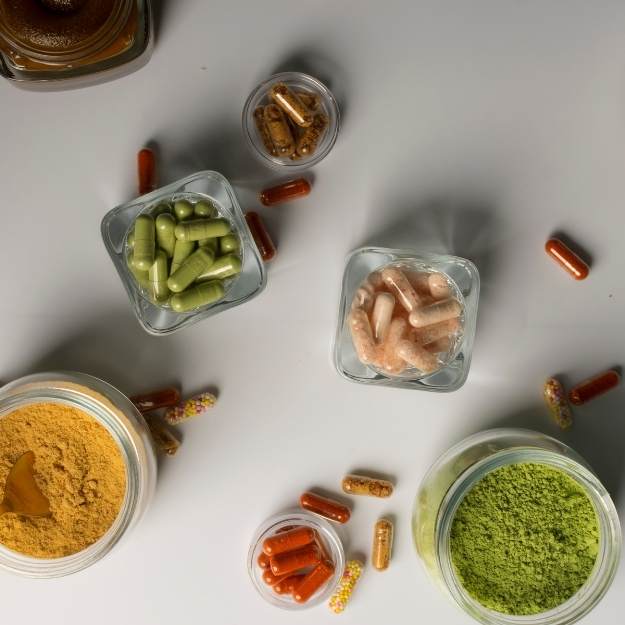
Vitamin D3 Vitamin B3 Vitamin B6 Vitamin B12 Magnesium Zinc Selenium

Keywords:

test cortisol, high cortisol symptoms, low cortisol, stress hormone testing, burnout biomarker, neurostress profile, DHEA cortisol, ORY Analyse

Kurz:

Cortisol too high or too low? Find out how the stress hormone affects your metabolism, sleep and energy – and what a test shows.

Tryptophan – the small amino acid with a big impact on mood, sleep & energy

You are sitting in a meeting, nodding professionally – and inside, your body is going wild. Cortisol and adrenaline flood your blood as if a pride of lions were after you. Except there is no lion. There is a Slack message with the subject “Urgent”.

That is exactly the problem. The Stanford neurobiologist Robert Sapolsky puts it well in his classic “Why Zebras Don't Get Ulcers”: zebras respond to stress acutely and efficiently – a short sprint, the lion is gone, cortisol settles. We humans spend another three days turning over what the boss might have meant. The result: chronically raised cortisol, quietly doing damage.

How cortisol acts in metabolism

Cortisol is not an enemy. It is a vital steroid hormone, produced in the adrenal cortex, that affects almost every metabolic process in the body. In the morning, shortly after waking, it rises steeply – the cortisol awakening response, which brings the body up to operating readiness. It raises blood sugar, mobilises fat reserves as an energy source, dampens inflammatory responses and sharpens concentration for a short while. At the right dose, cortisol is a high-performance hormone. The problem starts when the dose never comes down.

If the spark doesn't ignite

If tryptophan levels are low – or if it doesn't reach the brain effectively because it competes with other large amino acids for entry – this can manifest as mood swings, restlessness, poor sleep, and difficulty concentrating. Studies show that tryptophan supplementation can slightly improve mood and reduce anxiety in healthy individuals; overall, the effect is moderate but measurable.

Also interesting: Not only the quantity, but also the protein source matters. Different proteins significantly alter the ratio of tryptophan to other amino acids in the blood – and thus potentially the production of serotonin in the brain.

Magazine expert: When mood, energy or sleep fluctuates, it's worth thinking outside the box – the gut, neurotransmitters, and micronutrients work as a team.


Why this matters for your health – and what you can do

This is the side of the story hardly anyone knows – and it is often missed. Cortisol that is too low, known as adrenal insufficiency or, in milder form, as adrenal fatigue, brings lasting exhaustion despite enough sleep, low blood pressure, dizziness on standing, muscle pain with no clear cause and a strong craving for salt. Many people are written off for years as “just tired”, because a low cortisol level is not routinely picked up in a standard blood count. This is one of the most common diagnostic gaps in modern medicine.

Lifestyle impulses that can be implemented immediately

  1. Combine smartly: In the evening, opt for tryptophan-rich snacks plus a little carbohydrates – for example, natural yogurt with rolled oats, whole-grain bread with cottage cheese, or a small chicken wrap. This improves absorption by the brain.
  2. Colorful food makes you cheerful: An antioxidant-rich diet (berries, colorful vegetables, nuts) can also have a positive influence on mood and cognition – especially in the case of “silent inflammation”.
  3. Sleep ritual instead of sleep scroll: Dark, cool, regular – and little alcohol late in the evening (disrupts the sleep rhythm and neurotransmitter balance).
  4. Gut health is key: A healthy microbiome mix supports the tryptophan-serotonin axis (the "gut-brain axis"). Fiber, fermented foods (yogurt, kimchi), and exercise help.

Which values really count

To understand how your stress system really works, you need more than a single value. What matters is cortisol across the day, measured in saliva at four points – morning, late morning, afternoon and evening. That pattern shows whether the body powers up properly in the morning and really winds down in the evening. DHEA-S goes with it as the direct counterweight to cortisol: if DHEA is low and cortisol high, the ratio has shifted – an early sign of exhaustion and accelerated ageing. Neurotransmitters in urine – serotonin, dopamine, adrenaline and noradrenaline – show how much the nervous system has already suffered under the cortisol load. Melatonin tells you whether sleep still brings real recovery or only numbness.

Why ORY Analyse makes the difference here

Most people sense that they are too stressed. But a hunch is not a diagnosis. ORY Analyse puts together a full neurostress profile: cortisol across the day, DHEA, neurotransmitters and melatonin – interpreted, set out clearly and with concrete recommendations. Prevention does not begin with the symptom. It begins with the right value.

Test your cortisol level
Prevention

Test your cortisol level

Do you know your cortisol level? This one hormone shapes how well you sleep, how much energy you have – and whether your body is stuck in constant stress.

Test cortisol

Fact check & sources

  • ory-berlin.de – Laboratory diagnostics & health checks: Overview and approach to modular analyses (e.g. basic panels, vitamin check, gut check-up).
  • Scientific:

    Richard et al. L-Tryptophan: Basic Metabolic Functions… – Basic functions, serotonin relationship, behavior. (Open-access review; also listed in PubMed.)

    Jenkins et al. Systematic Review: Tryptophan supplementation, mood/anxiety (moderate effects).

    Dietary proteins & TRP ratio: Proteins influence the tryptophan ratio – relevant for uptake into the brain.

    Gut-Brain-Axis & TRP: Interaction of gut bacteria–tryptophan–serotonin.

    Overview of serotonin & mood (Layman's explanation, Harvard Health).

  • Background notes from your file: Food sources, role in protein synthesis & serotonin, notes on sleep & mood are additionally based on the provided manuscript "ATP Energy and Tryptophan".

Integration of functional medicine

Preventive lab testing for the whole family – Ory experts.

from microbiome through neurotransmitters to nutrient status. Functional medicine for more energy, resilience and long-term health – conveniently from home.

Sleep is more than just restorative rest—it's a complex, vital process that deeply impacts our biochemistry. New research from Sweden shows that just three nights of insufficient sleep are enough to significantly increase inflammation levels in the blood—even in young, healthy people. What happens in the body goes far beyond tired eyes: A delicate network of hormones, immune messengers, and metabolic processes becomes unbalanced. The consequences can include cardiovascular disease, depression, and chronic inflammation.