
Prevention, Longevity, and Functional Medicine.
+49 3055275010

YeshaA recent study from the University of Oxford found that genetic factors only account for about 2% of the risk of early death.

Modern science is increasingly demonstrating that our lifestyle plays a much greater role in our health than our genetic predisposition. A recent study from the University of Oxford found that genetic factors account for only about 2% of the risk of early death, while environmental and lifestyle factors have a much greater influence at 17%. This means that we have a large degree of control over our well-being.

Negative habits: The invisible health thieves

Many habits that seem to provide us with short-term relief or pleasure can have a significant impact on our health in the long term. Here are some of the most important risk factors:

  • Smoking : The biggest risk factor for numerous diseases, from cardiovascular disease to cancer.

  • Alcohol consumption : Regular alcohol consumption can cause organ damage and weaken the immune system.

  • Drug use & drug abuse : Disrupt the natural metabolism and can lead to psychological and physical dependence.

  • Lack of exercise : Increases the risk of diabetes, obesity and cardiovascular disease.

  • Chronic stress : Causes inflammation in the body, weakens the immune system and can promote depression.

  • Lack of sleep : Less than seven hours of sleep per night impairs cell regeneration and memory.
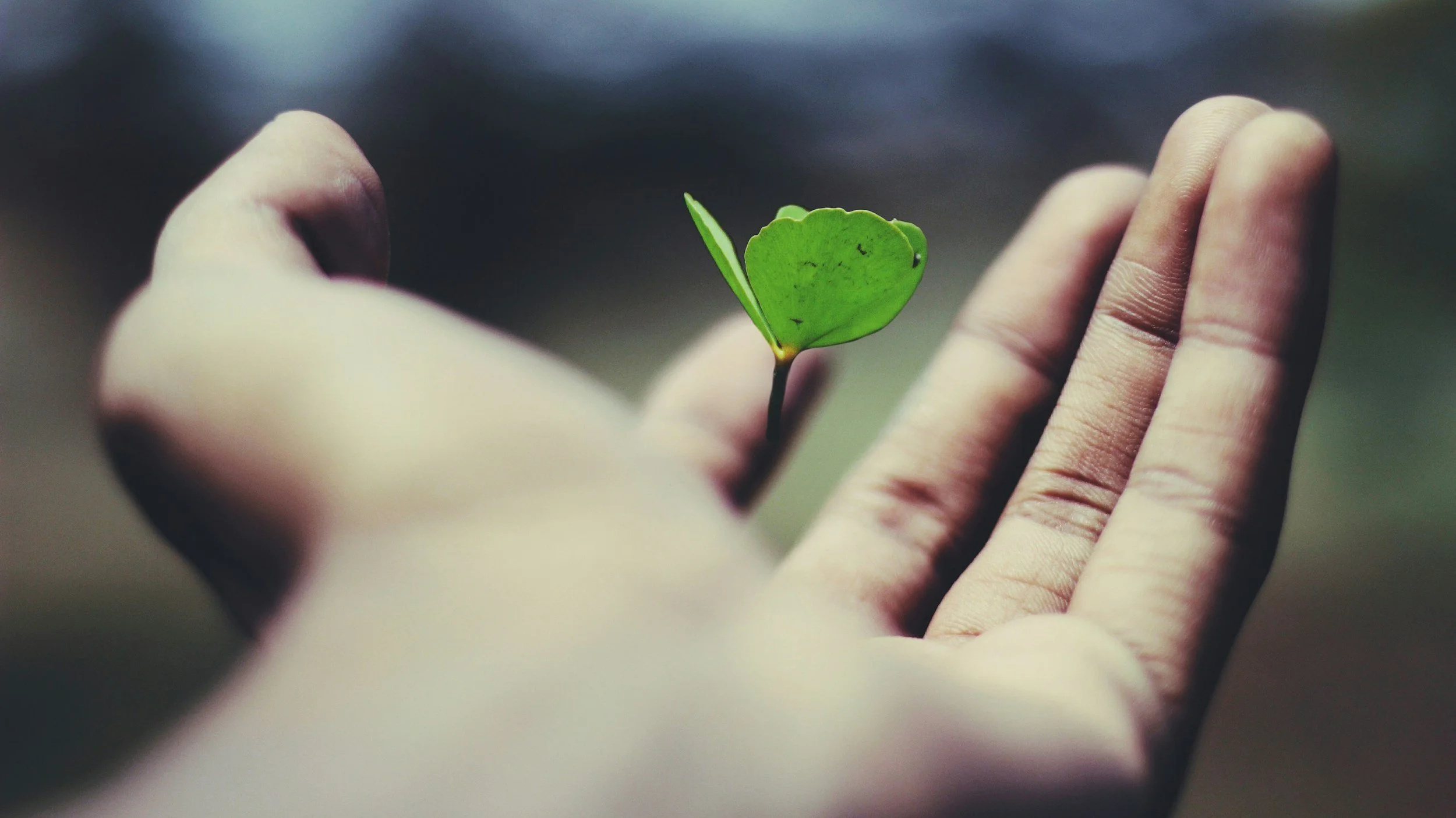
determine our health

Finding meaning, creating value and giving gifts not only promote personal happiness, but also improve our mental and physical health in the long term through emotional fulfillment and social connectedness.

The positive changes: How we can actively improve our health


Fortunately, we can actively counteract this and put our health on a stable footing. Several factors play a role in this:

1. Exercise as the key to vitality

Physical activity is one of the best strategies for a long and healthy life. It improves metabolism, reduces stress, and strengthens the heart. The recommendation: At least 30 minutes of exercise a day, whether walking, cycling, or strength training.

2. Healthy nutrition: The right supply for the body


Nutrient intake is essential. A balanced diet rich in antioxidants, omega-3 fatty acids, and vitamins can slow the aging process. Particularly important are:

  • Fresh fruits and vegetables (rich in antioxidants)

  • Healthy fats (e.g. avocado, nuts, olive oil)

  • Proteins (for cell regeneration and muscle building)

3. Resolve conflicts and find emotional balance


Inner contentment and mental well-being significantly influence our health. Unresolved conflicts and long-term stress can cause physical ailments. Techniques such as meditation, mindfulness, and targeted conversation help to release emotional blockages.

4. Finding meaning as the basis for a happy life

People who find meaning in their lives are often healthier and more resilient to stress. Those who are passionate about something, whether professionally or through hobbies, tend to live more fulfilling and contented lives.

5. Enrich your everyday life with healthy routines

Simple but effective habits can sustainably improve our health:

  • Integrate daily exercise into your everyday life (e.g., use stairs instead of the elevator)

  • Take conscious breaks to reduce stress

  • Eat mindfully to relieve the digestive system

  • Maintain social contacts to promote emotional stability


Negative habits such as smoking, lack of exercise, unhealthy diet and chronic stress can shorten our lifespan, while conscious routines, a nutrient-rich diet and regular exercise make us healthier and more vital.

6. Proactively supply the body with nutrients

An optimal supply of nutrients is essential for energy, cellular health, and longevity. Supporting mitochondria, the "powerhouses" of our cells, and a healthy gut, which is crucial for our immune system and vitality, is particularly important.

  • Strengthen mitochondria : Cell energy production can be improved through targeted intake of coenzyme Q10, B vitamins, magnesium and antioxidants.

  • Promote intestinal health : Probiotics, fermented foods and fiber strengthen the intestinal flora and optimize nutrient absorption.

  • Support detoxification : Green leafy vegetables, chlorella, lemon water and intermittent fasting help eliminate toxins from the body and relieve the liver.

7. Creating value, giving meaning and giving as a source of happiness and satisfaction

According to positive psychology, creating meaning and value are crucial not only for personal development but also for long-term happiness and inner fulfillment. People who actively create value—whether through creative work, social projects, or volunteer work—find their lives more meaningful and fulfilling.

  • Giving as a happiness factor : Studies show that giving and sharing resources (time, knowledge, material goods) increases happiness and creates lasting positive emotions.

  • Value creation as a source of energy : Anyone who does something meaningful – be it a hobby, a social initiative or solving a social problem – draws long-term motivation and emotional stability from it.

  • Strengthening social connectedness : Collective value creation creates deep interpersonal connections that have a positive impact on mental and physical health.

Our health is in our hands

Recognizing that our lifestyle plays a crucial role gives us the power to actively shape our lives. By replacing harmful habits with healthy ones, we can increase our life expectancy and enhance our well-being. Every step in a healthier direction is a step toward more energy, stability, and self-realization.

Viele Menschen fühlen sich heute ständig erschöpft, haben Schmerzen, schlafen schlecht oder merken, dass ihr Körper nicht mehr so regeneriert wie früher. Sie trainieren vielleicht sogar, achten ein bisschen auf ihre Ernährung – und trotzdem fehlt die Kraft, es geht nicht voran. Was viele nicht wissen: Der Körper befindet sich oft in einem Zustand, den man als „katabol“ bezeichnet. Das bedeutet, dass er überwiegend im Abbau-Modus läuft – statt im Aufbau.

Im Körper gibt es zwei grundlegende Funktionszustände: anabol und katabol. Der anabole Zustand steht für Aufbau, Regeneration, Heilung und Erneuerung. Hier werden Muskeln aufgebaut, Hormone gebildet, beschädigte Zellen repariert. Das ist der Zustand, in dem wir uns nach Belastung erholen, in dem wir gesünder, stärker und widerstandsfähiger werden. Der katabole Zustand dagegen steht für Abbau – hier stellt der Körper auf Energiegewinnung durch den Abbau eigener Reserven um. Das ist kurzfristig sinnvoll, zum Beispiel bei akutem Stress, beim Fasten oder intensiver körperlicher Belastung. Problematisch wird es dann, wenn der Körper dauerhaft in diesem Abbau-Modus bleibt – und genau das ist heute bei sehr vielen Menschen der Fall.

Ein Hauptgrund dafür ist chronischer Stress. Ob beruflicher Druck, ständige Erreichbarkeit, innere Unruhe oder ungelöste emotionale Themen – all das hält das Nervensystem im sogenannten Sympathikus-Modus, also im „Kampf- oder Fluchtprogramm“. Der Körper schüttet dabei vermehrt Cortisol aus, ein Stresshormon, das in hoher Dosis langfristig den Muskelaufbau hemmt, den Schlaf stört und Entzündungen im Körper fördert. Das hat direkte Auswirkungen: Muskeln werden abgebaut, Gelenke regenerieren langsamer, das Immunsystem wird geschwächt.

Auch Schlafmangel spielt eine große Rolle. Denn im Tiefschlaf laufen die wichtigsten anabolen Prozesse ab. Wachstumshormone werden ausgeschüttet, Zellen repariert, Gewebe aufgebaut. Wer schlecht schläft – oder zu wenig –, verliert Nacht für Nacht kostbare Regenerationszeit. Das kann langfristig zu Muskelabbau, hormonellen Störungen und chronischer Erschöpfung führen.

Ein weiterer, oft übersehener Faktor ist Bewegungsmangel. Wer sich im Alltag zu wenig bewegt, gibt dem Körper keine Reize für den Aufbau. Die Muskulatur wird nicht ausreichend beansprucht, was den Körper in den katabolen Zustand drängt. Gleichzeitig fehlt die Bewegung, um den Stoffwechsel zu aktivieren, den Lymphfluss anzuregen und das Nervensystem zu regulieren. Der Körper verfällt in eine Art „Stillstand“, der mit echtem Erholen nichts zu tun hat.

Und dann ist da noch das Thema Ernährung und Mikronährstoffmangel. Unsere Zellen brauchen Eiweiß, Vitamine, Mineralstoffe und gesunde Fette, um zu reparieren und neu aufzubauen. Fehlen diese Bausteine – etwa durch einseitige Ernährung, häufige Diäten oder schlechte Aufnahme im Darm –, dann fehlt dem Körper schlichtweg das Material, um gesund zu bleiben. Gerade ältere Menschen oder Menschen mit chronischen Entzündungen haben oft eine sogenannte Anabolresistenz – das heißt, selbst wenn der Körper Reize bekommt, kann er nicht mehr gut auf sie reagieren, weil ihm die richtigen Bedingungen fehlen.


Dazu kommt: Viele Menschen leiden unter stillen Entzündungen, die sich im Körper unbemerkt ausbreiten. Diese Entzündungen blockieren wichtige Aufbauprozesse und halten den Körper zusätzlich im Abbau. Typische Ursachen dafür sind ein durchlässiger Darm, Zucker, Transfette, Umweltgifte und chronischer Stress.

Wenn all diese Faktoren zusammenkommen, verliert der Körper nach und nach seine Fähigkeit, sich zu regenerieren. Muskeln wachsen nicht mehr, Gelenke heilen schlecht, die Haut altert schneller, Haare fallen aus – selbst das Denken wird schwerer. Die Energie fehlt, die Kraft lässt nach, die Lebensfreude schwindet.

Aber das muss nicht so bleiben. Die gute Nachricht ist: Der Körper kann zurück in den Aufbau finden – wenn wir ihm die richtigen Bedingungen schaffen. Das bedeutet vor allem, den chronischen Stress zu reduzieren, wieder gut und tief zu schlafen, uns regelmäßig zu bewegen – aber mit Maß und mit gezieltem Muskelreiz – und dem Körper alle nötigen Nährstoffe zur Verfügung zu stellen. Dazu gehört auch, Entzündungen zu erkennen und zu behandeln, zum Beispiel über die Darmgesundheit, eine entzündungsarme Ernährung und gezielte Mikronährstofftherapie.

In der funktionellen Medizin spricht man hier von einer integrativen Strategie: Wir schauen nicht nur auf einzelne Symptome, sondern auf das große Ganze. Wir stärken das vegetative Nervensystem, fördern den Energiestoffwechsel in den Mitochondrien und unterstützen die Entgiftungssysteme des Körpers. So können sich Körper, Geist und Emotionen wieder ins Gleichgewicht bringen – und Regeneration wird wieder möglich.

Wenn der Körper wieder in den anabolen Zustand zurückfindet, erholt sich nicht nur die Muskulatur. Auch die Gelenke, das Bindegewebe, das Immunsystem und sogar unsere mentale Klarheit profitieren. Es ist ein Zeichen dafür, dass der Mensch nicht mehr nur „überlebt“, sondern wirklich lebt.

Ein Körper, der im Dauerstress ist, kann nicht aufbauen. Er braucht Ruhe, Nahrung, Bewegung – aber im richtigen Maß. Erst dann kann er regenerieren, Muskeln aufbauen, Gelenke heilen und Kraft zurückgewinnen.

Catabolic = breakdown | Anabolic = build-up
The body constantly oscillates between these two states:

  • Catabolic: Stress, fasting, overtraining, inflammation, nutrient deficiency → muscle breakdown, cellular stress
  • Anabolic: Regeneration, deep sleep, muscle building, healing, cell repair. These phases alternate in a healthy balance.

But many people today are permanently catabolic:

  • Chronic stress (cortisol) inhibits anabolic signaling pathways (e.g. mTOR).
  • Inflammation triggers catabolic processes.
  • Insulin resistance, lack of exercise and malnutrition block anabolic stimuli.
  • In old age, anabolic resistance also occurs – the body no longer responds sufficiently to building stimuli.

What can you do? – Ways back to the rebuilding state

Hier hilft die funktionelle Medizin – sie fragt: Was blockiert den anabolen Zustand?

Und wie können wir gezielt wieder in die Regeneration kommen?

Dazu gehören:

(Atemübungen, Natur, Schlafrituale)
(Muskelreize, aber nicht zu viel – weniger ist oft mehr!)
(z. B. Magnesium, B-Vitamine, Aminosäuren, Omega-3)
(Darmgesundheit, entzündungsarme Ernährung)
(mind. 7–8 Stunden, Schlafhygiene, Abendrituale)


1. Movement with building impulse

  • Strength training (progressive) activates mTOR and IGF-1 – both anabolic signaling pathways.
  • Short, intense, regenerative – not too much (avoiding training stress).

2. Eat protein-rich food – with rhythm

  • High-quality amino acids (especially leucine, glutamine, glycine).
  • Protein-dense meals in anabolic time windows (e.g. after training or in the morning).
  • HMB, Collagen, Creatine, BCAAs, Ashwagandha, Zinc, Magnesium, Omega-3
  • mTOR activators: insulin (targeted!), leucine, resistance training

Anabolic substances: The solution: Back to building mode

3. Mikroentzündungen senken

  • Silent Inflammation hemmt anabole Signalwege und fördert Muskelabbau.

Maßnahmen:

  • Entzündungshemmende Ernährung (Omega-3, Curcumin, Polyphenole)
  • Darmgesundheit: Leaky Gut vermeiden

Entgiftung stärken: Glutathion, Bitterstoffe, Lymphfluss

4. Autonomes Nervensystem umschalten

  • Aufbau geschieht im Parasympathikus.
  • Wege dahin:
  • Atemübungen, Meditation, Vagusnerv-Stimulation
  • Biofeedback, Kältetherapie, Naturkontakt

Integration of functional medicine

Use this text to share information about your brand with your customers. Describe a product, share announcements, or welcome customers to your store.

Rich text

1. Autonomic nervous system

  • Constant stress keeps us in the sympathetic nervous system (catabolic).
  • Only in the parasympathetic nervous system can the body build: sleep, digestion, cell healing.

2. Mitochondria & Energy Metabolism

  • Mitochondria are central players in the structure.
  • Anabolic phases require energy – without ATP there is no cell growth.
  • Support: Q10, NADH, B vitamins, carnitine, targeted ketosis/carb cycles3.

Detoxification Toxic load keeps the system catabolic.

  • Glutathione, sulfur compounds, fasting cycles activate autophagy – help in the transition to anabolic regeneration.

Consciousness & Relationships Those who are stuck in catabolism often also experience mental deterioration: anxiety, irritability, lack of motivation.

  • A consciously designed anabolic lifestyle (exercise, good food, relaxation) not only strengthens the body – it leads to a clearer mind and more self-confidence.
  • In relationships, differences become apparent immediately: people in the development mode are more creative, more approachable, and more productive.

The most important points:

Catabolism dominates in cases of chronic stress, inflammation, and deficiency.

Anabolic buildup requires targeted stimuli, proteins, and parasympathetic activation.

Functional medicine provides tools for diagnostics and targeted intervention. You aren't designed for constant stress—your body wants to grow, heal, and renew itself. Give it the chance to do so: with mindful movement, nourishing nutrition, and inner peace. Every muscle, every cell, every feeling can be rebuilt.

Latest Stories

This section doesn’t currently include any content. Add content to this section using the sidebar.